Archives for the month of: August, 2020

2025 is requiring something of everyone. Beyond endless testing mandates , curriculum protests and political street theater, it is demanding that we wake up and begin to invoke our imaginations.

We need to imagine that financial greed, which is the foundational appetite of racism, really is completely insatiable and is capable and culpable of every atrocity in its own name, from centuries back.

We need to imagine that Sinclair Lewis was not halucinating because Buzz Windrip has arrived and is currently presiding over 1600 Pennsylvania Avenue.

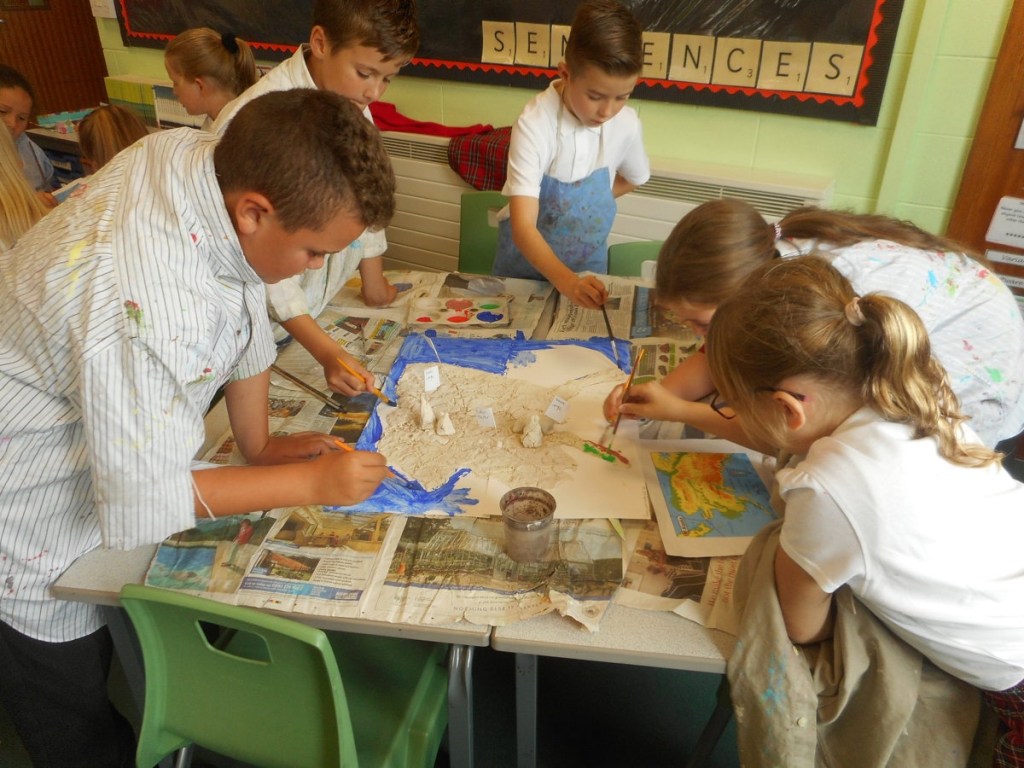
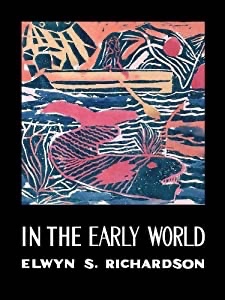
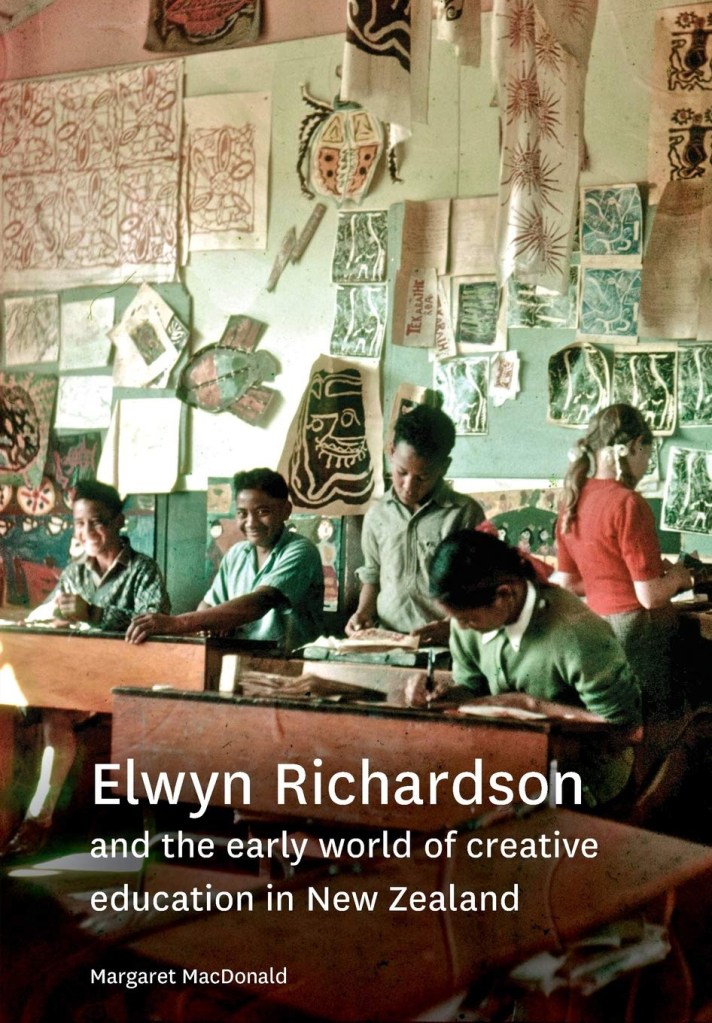
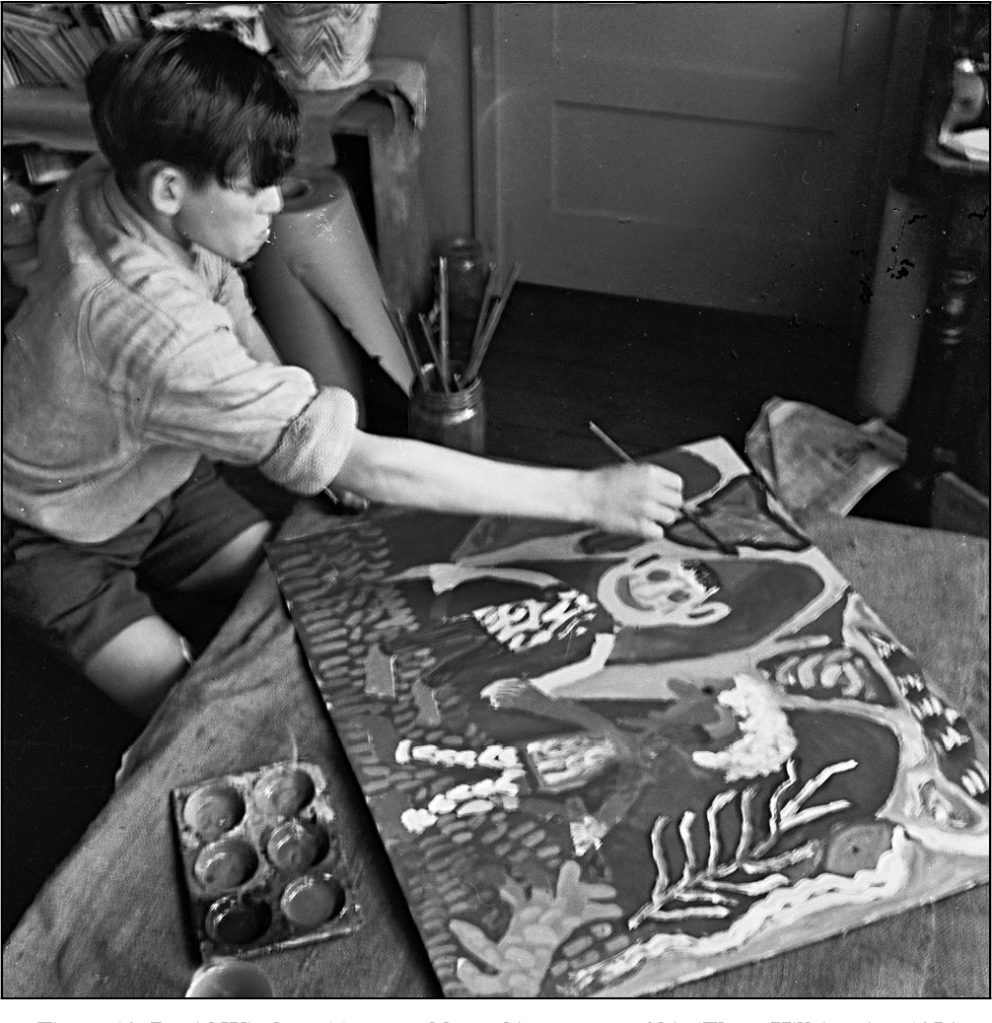
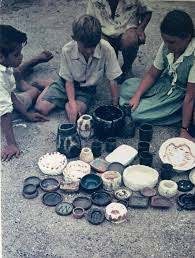
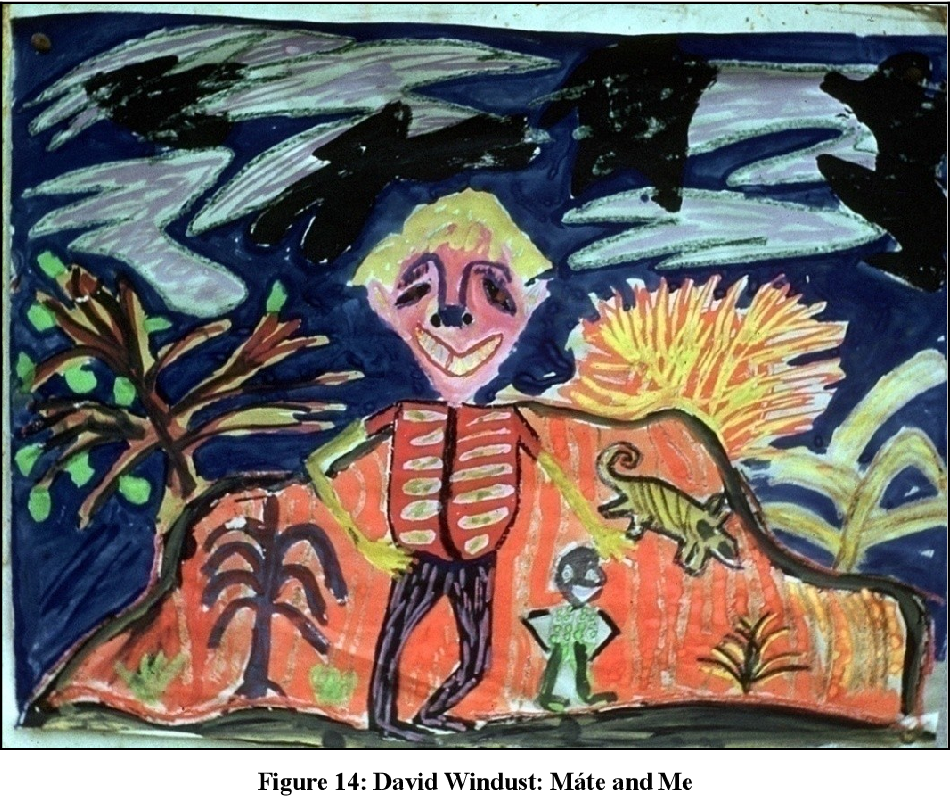
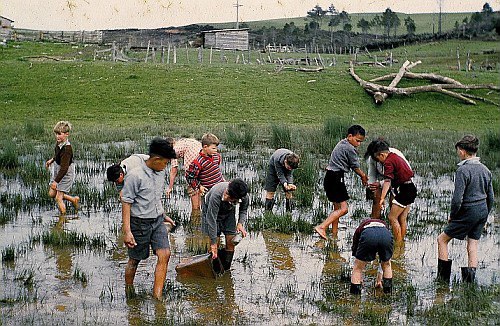
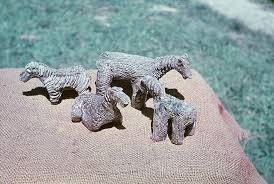
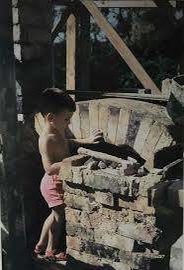
Elwyn Richardson was an inciter of imaginations. He and the Universe chose New Zealand as his base of operations and school children were his foot soldiers. Together they marched into clay banks, beaches, ponds, wasp nests, handmade kilns, paint pots, fertile fields and terrariums to do battle with the idea that education should be confined to desks, chairs, buildings or 2020 drill&kill, computer technology.

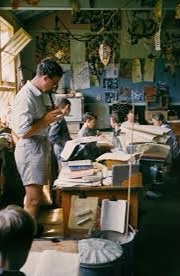
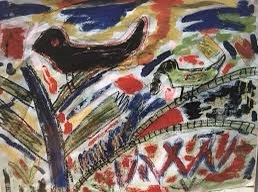
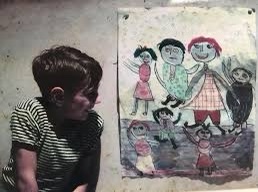
One can see from the photos that it was a riotous existence at Oruaiti School. A daily disruption of normal, dead-boring, state-imposed, soul-killing, standardized, test-driven dribble. It was an ALIVE place where courage and creativity walked hand-in-hand.

No one graduating from Oruaiti would allow themselves to be subject to a regime preaching avarice and incarcerating combat with impoverished/displaced migrants, all people of color, moms in yellow, dads with leaf blowers, nursing home residents and vulnerable students.

Instead, they would dream up an improved arrangement and begin building it with the help of their immediate community. Because Elwyn began his work exactly where he was, using what was at hand, developing himself as an instrument through which liberating energies could be invoked, developed and celebrated.

We are in a death spiral and many shiny ones are very busy trying to turn that defeated world view in a life-affirming direction. They know The Secret and they are our Way Ahead. May we follow their Lead.
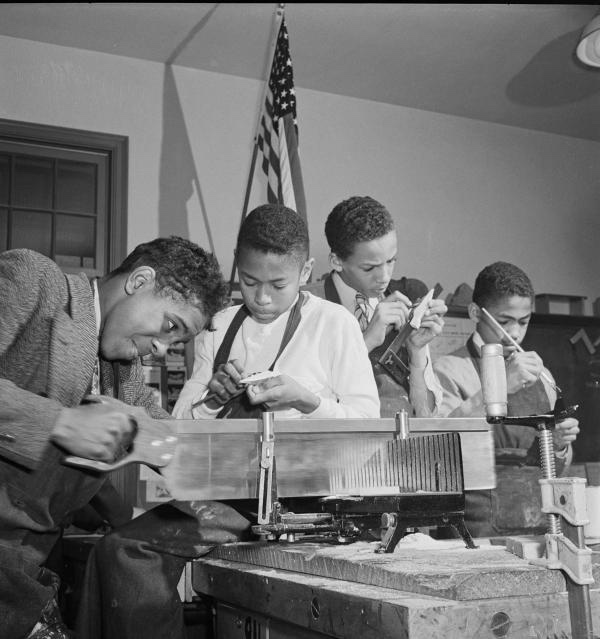
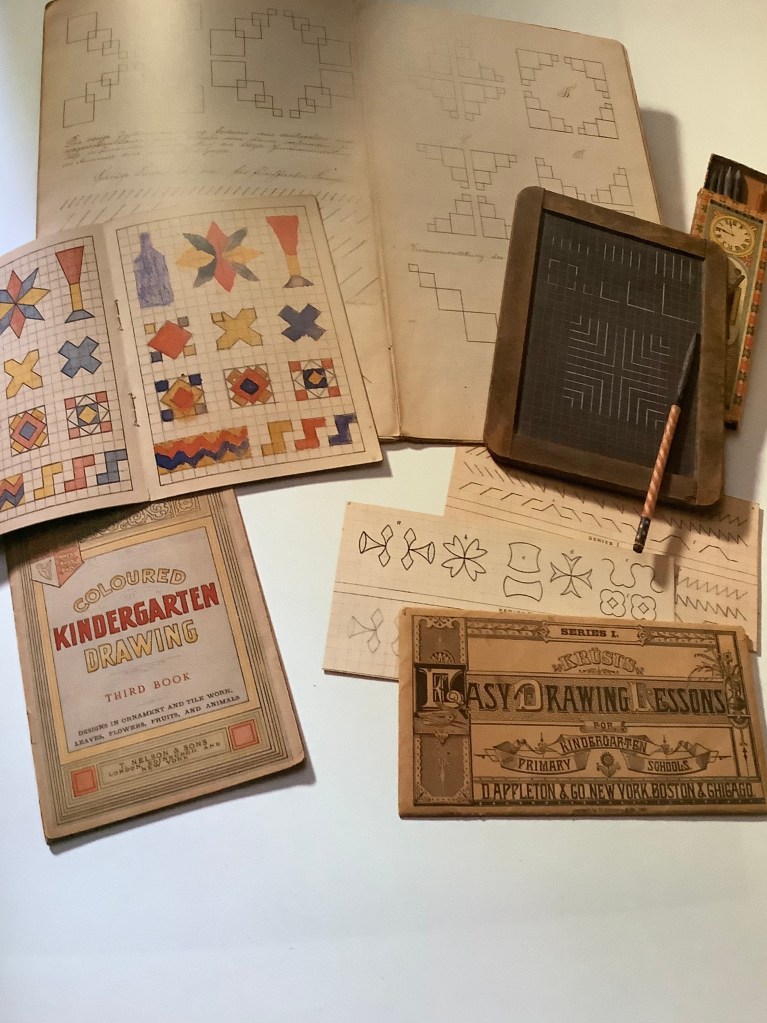
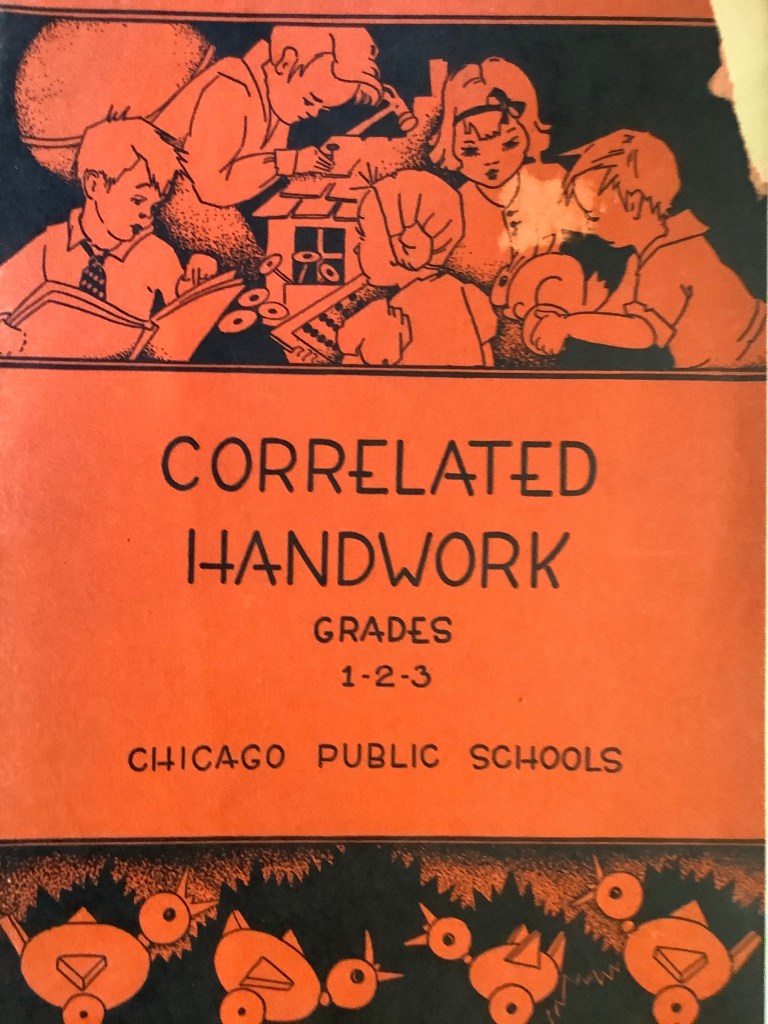
Nobody at the 1935 Chicago Board Of Education thought their publication on Correlated Handwork was revolutionary. In fact, if you’d asked them they would have told you that they were about 35 years behind.

Lots of women and men knew how to work with their hands back in 1935 and students were often taught these skills at school.

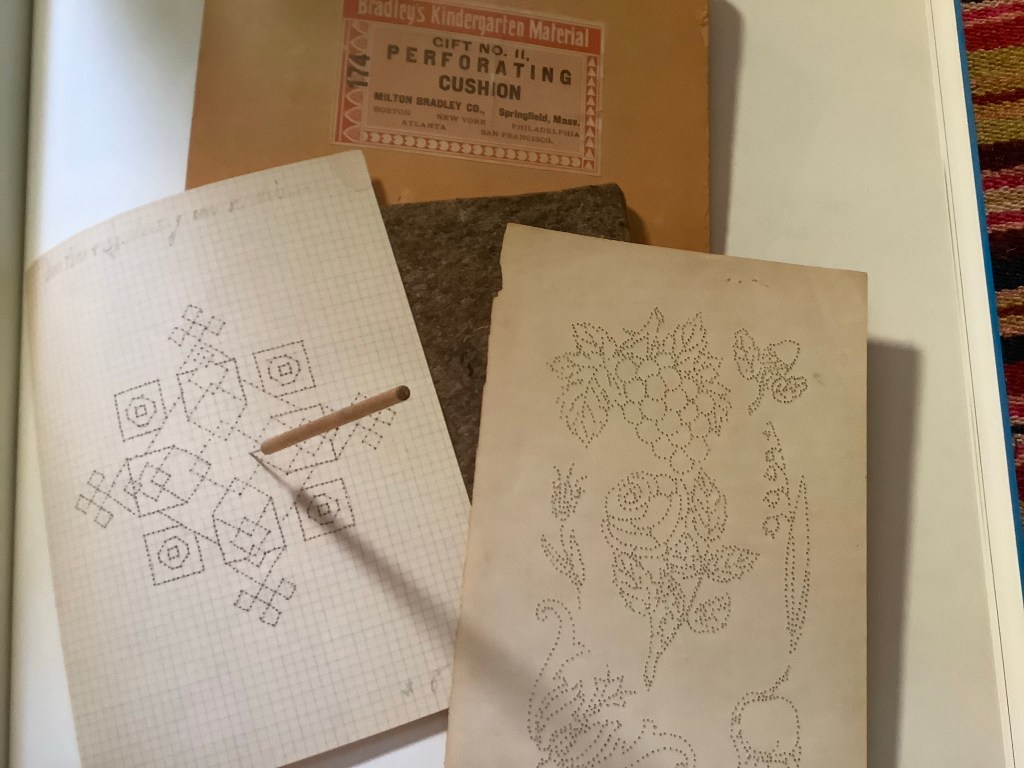
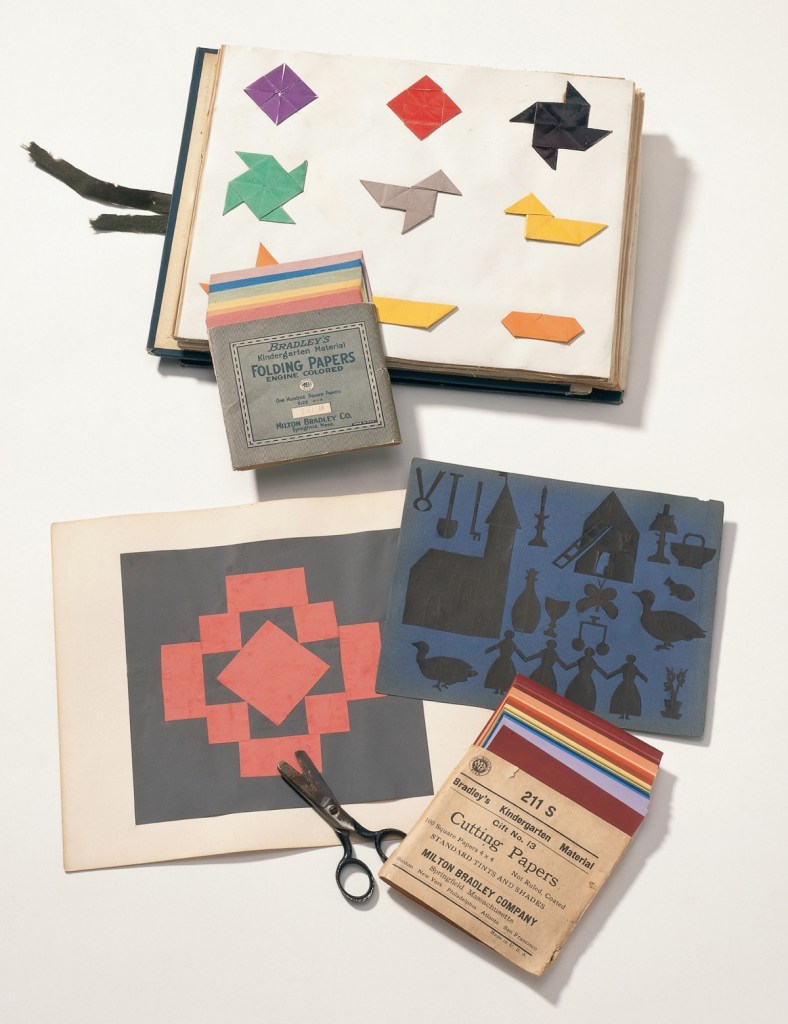
But as early as 1900 children in classrooms were elegantly busy with detailed hand-eye-brain finger work that was the foundation for house and farm building 35 years later.

Give This A Go
Perforation Work
Folding and Cutting

No wonder 1935 educators thought it perfectly reasonable for first grade children to build houses, farms, city parks and later foreign country studies. At home with minimal intervention or instruction from adults was customary because Kindergarten had gotten them more than ready.

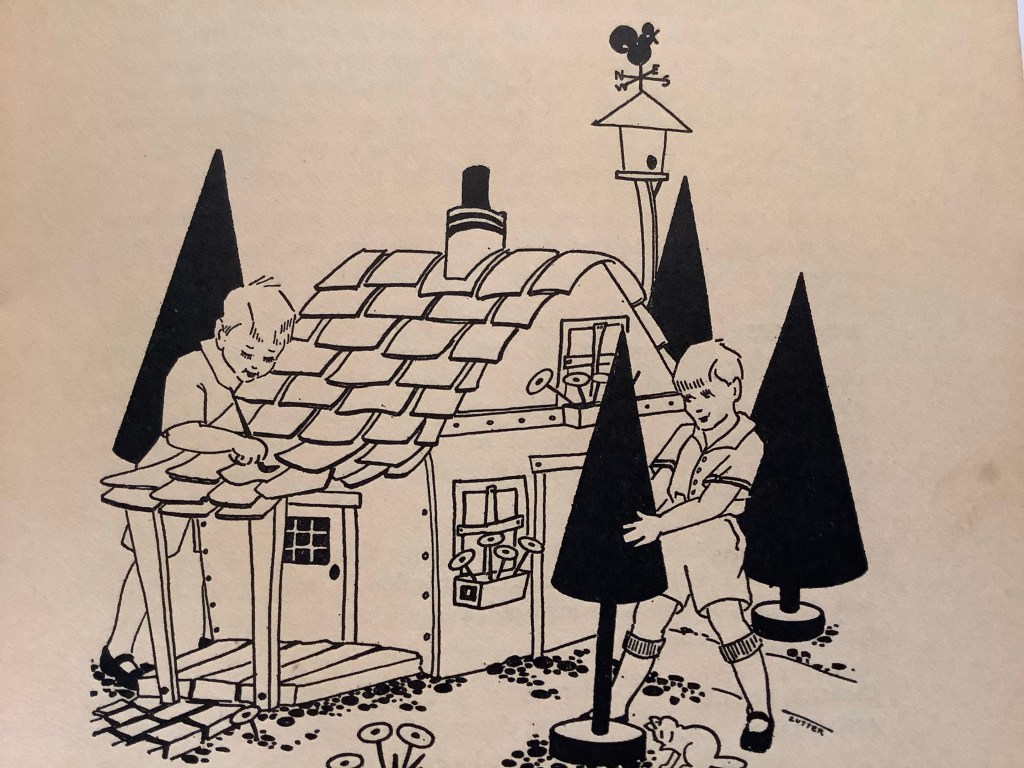
Pay attention to the level of EXPECTATION accorded these Great Depression children in the long ago Chicago Public Schools. The 1st graders were constructing full-blown houses using cardboard, construction tools, measuring equipment, clay and fabric. Now for the 2nd graders.

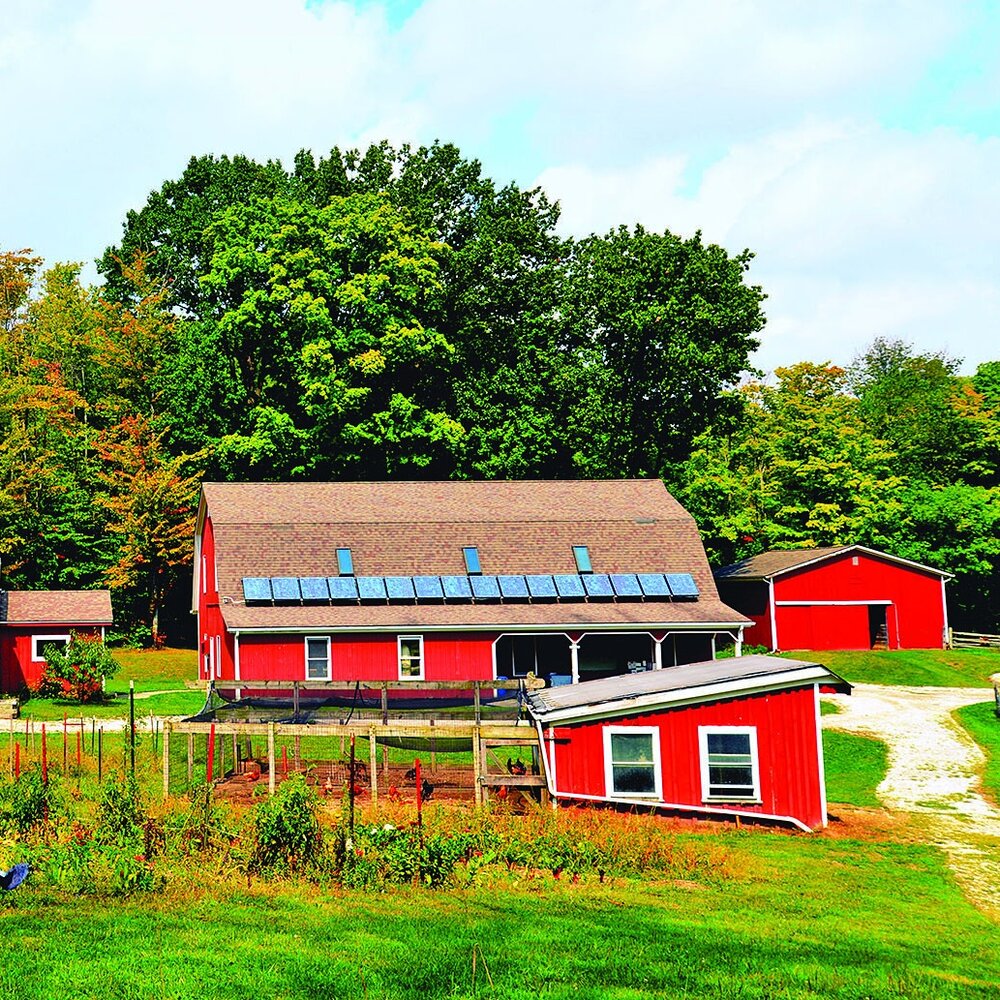
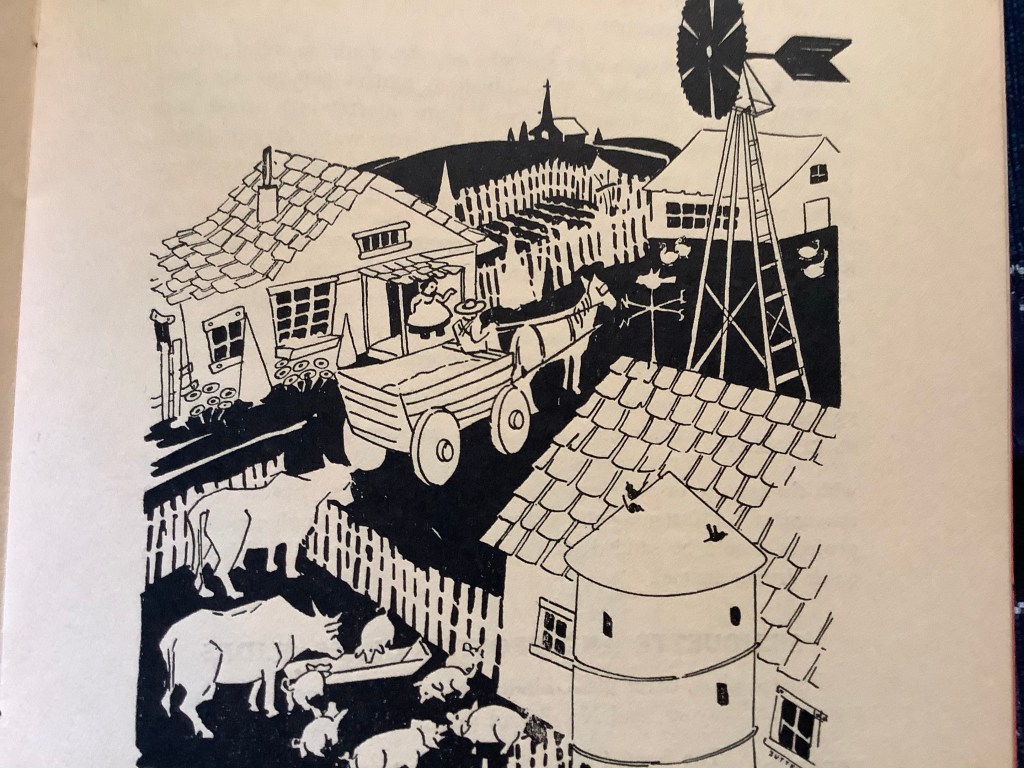
Yes, the 2nd levels are building a farmhouse, barn, silo, sheepfold, pigpen, fences, grass, mock cornfields, trees, figurine families and farm animal models. Are you kidding me?

Think about it. We are not talking about these 1935 Chicago students pulling a Farm set out of a supply closet and setting it up in a classroom or at home. We are watching smart city kids learn and draw or create the constituent elements of a farm like miniature wagons, wheelbarrows, vegetable stand, scales for weighing produce and signage for each group of produce being sold.

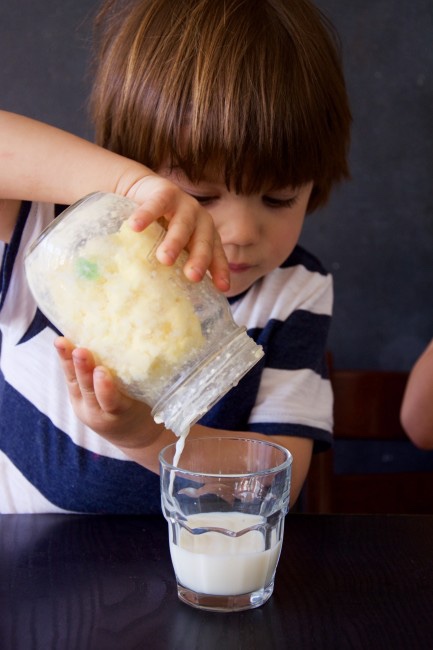
These children went on to use clay & paint for model fruits and veg. They made butter. They sprouted seeds in eggshells, sponges or in a home/window box “garden”. They made a Weather Chart because guess what? The local weather has everything to do with a successful crop.

Simple Butter Making

Here is what the 1935 2nd graders were advised on the topic of farm BUILDINGS. “The house, barn and other buildings may be made of construction paper or any paper colored with crayons and pasted together. Suitable buildings can also be made from cardboard boxes, cutting holes for windows, doors and attaching corrugated paper for the roof. The barn silo may be formed using paper and in proportion to the barn. A windmill frame may be made from dowel rods or thin strips on boxwood tied together. The wheel and vanes are cut from tin, thin wood or cardboard. Fences may be made from twigs or thin strips of boxwood or balsa wood. Gate hinges may be made from small pieces of leather and fasteners from scrap wire. People and Animals can easily be made in silhouette form or actually modeled in clay. Roads, fields and trees are represented with sandpaper, towel fabric, twigs, sponges, steel wool and dried grass.

Remember that as these students work, they are maintaining careful/consistent records and reflections on their work. They are drawing illustrations of finished products. Today we would cellphone photograph. They are writing to describe in detail, and with precise vocabulary, the work they are engaged in. This is not sloppy process.

After the FARM was finished, these same 2nd grade children went on to create an entire City Park in exquisite detail.

Model Making

Name the subject matter and it was woven into this work. And at a much higher thinking and problem-solving level than called upon in most 1st and 2nd grade groups. Food does not appear MAGICALLY in a supermarket. Nor does housing, and its many elements, spring MAGICALLY from an online catalogue or company. This immersion is the end of magical manifesting and instead is a dig-down-deep into the practical production-inquiry of how we live and what we use in life every single day.

No one here is casting about for a laptop, an internet connection, a Zoom meeting or a worksheet. They are too busy doing real investigations into their immediate physical world.

1935 Chicago Public Schools “Out-Of-School” Experiences

In August of 1935 this is a wise & wonderful statement The Chicago Board of Education sent out to the city’s school community. “Modern teachers know that children learn thoroughly ONLY when they have had the opportunity to take an ACTIVE part in LIFE-LIKE experiences. They do not deal effectively with matters in which they have little interest nor do they benefit much by the acceptance of materials prepared for them by the teachers. They learn slowly and UNWILLINGLY when instruction uses empty words and neglects their meanings and significance.”

Instead of remaining tangled up in Modern EdSpeak and Techno Jargon, we might look back 85 years for a little inspiration.

Here is what was suggested for FIRST GRADE. This could be done in the most impoverished of homes and there were plenty of those in Chicago back in 1935. It was called The Great Depression. Anyway, no one allowed their imaginations to be policed by the Google Classroom Cops back in the day. Instead they did this!

CONSTRUCT A HOUSE. Decorate it, make furniture, weave rugs,make curtains, model dishes and utensils. Every step in this project will make use of their pre-school experiences. The child must first plan and decide on such questions as these: Where shall the house be placed? How many room shall it have? What shall the rooms be called? Why is a kitchen, dining room, bedroom or living room needed? What furniture will be needed? What materials will be used to construct the house? How shall the house be decorated?


Child Made House Big Enough To Visit

The scrapbook should have pictures, drawn or photographed, showing things that are used in a home. An electric iron, a sewing machine, tools, garden implements, model fruits and vegetables, a health clock showing a day’s schedule for a healthy child.

TOOLS AND MATERIALS: The house should be constructed with tools and materials which can be manipulated by first grade children. This would include brown wrapping paper, orange crate wood, heavy twine, leather/fabric scraps, paste and glue, ruler/yardstick, tack hammer and a paint brush. Windows can be covered with cellophane or plastic wrap glued on. Dishes can be fashioned from clay or play dough.

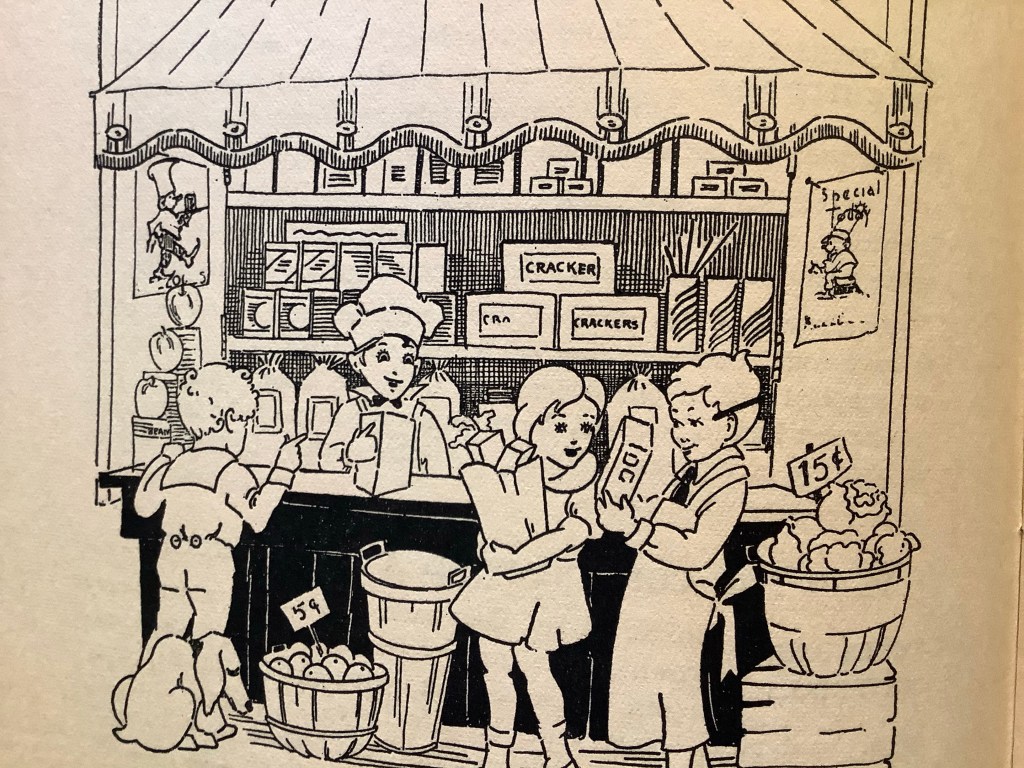
This work explodes into a series of projects that move out into an imagined neighborhood. Children construct a Grocery Store with all the necessaries like shelves, refrigerator, delivery van and signage.

Child Made Grocery Store

“THE GROWTH OF THE WHOLE CHILD: A correlated program provides for the more complete development of a child. She learns to get along with others as she works and plays on her house or store. She learns to persevere in spite of failure and to carry her work to a successful finish. She learns that one individual is dependent on others when completing a big project. She gains control over the materials and tools of learning and she develops many desirable traits of character.”

Handmade Farm Became 2nd Grade Work


1968 Education Development Center, Inc.

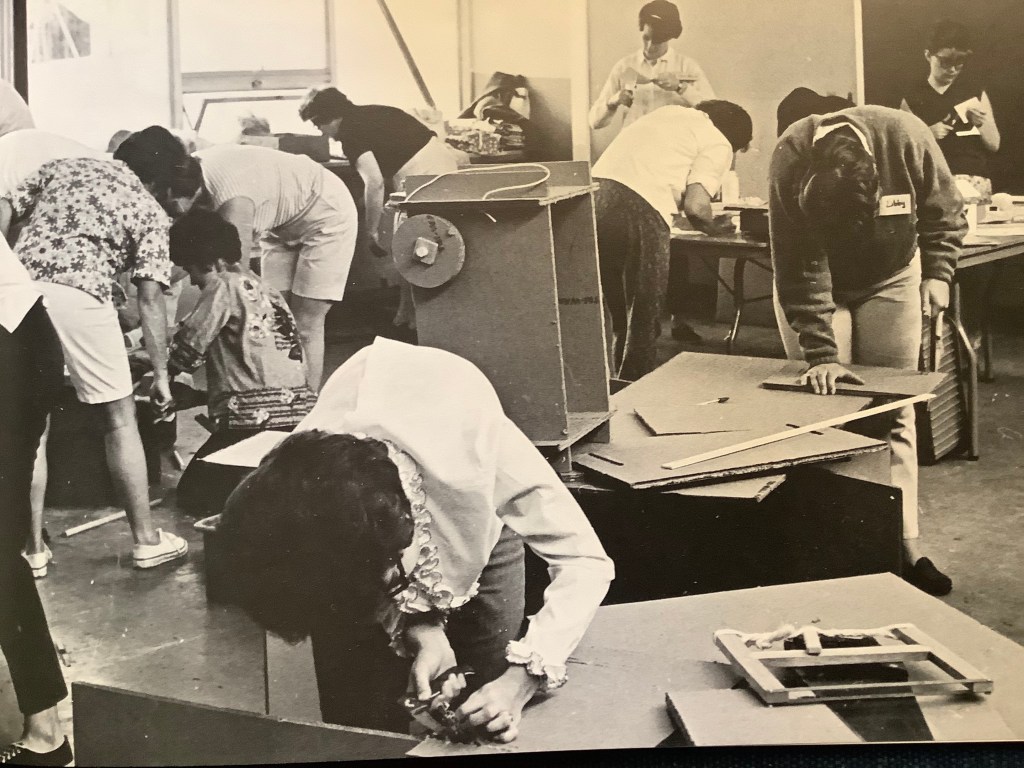
EDC’s Design Lab came across a cardboard that was much thicker than most cardboard and much stronger than most cardboard. Soon, teachers were learning how to make things for their classrooms using this cardboard.

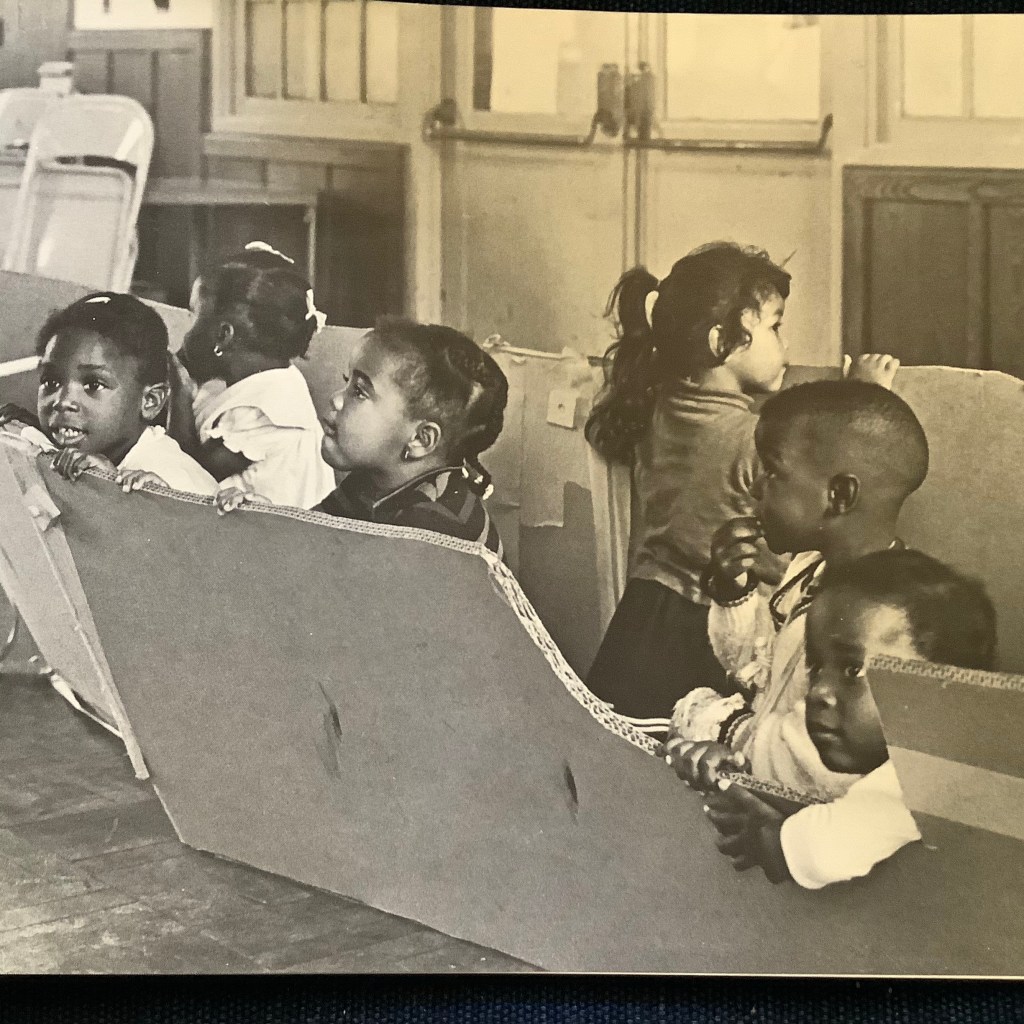
Beautiful Boat Bounty

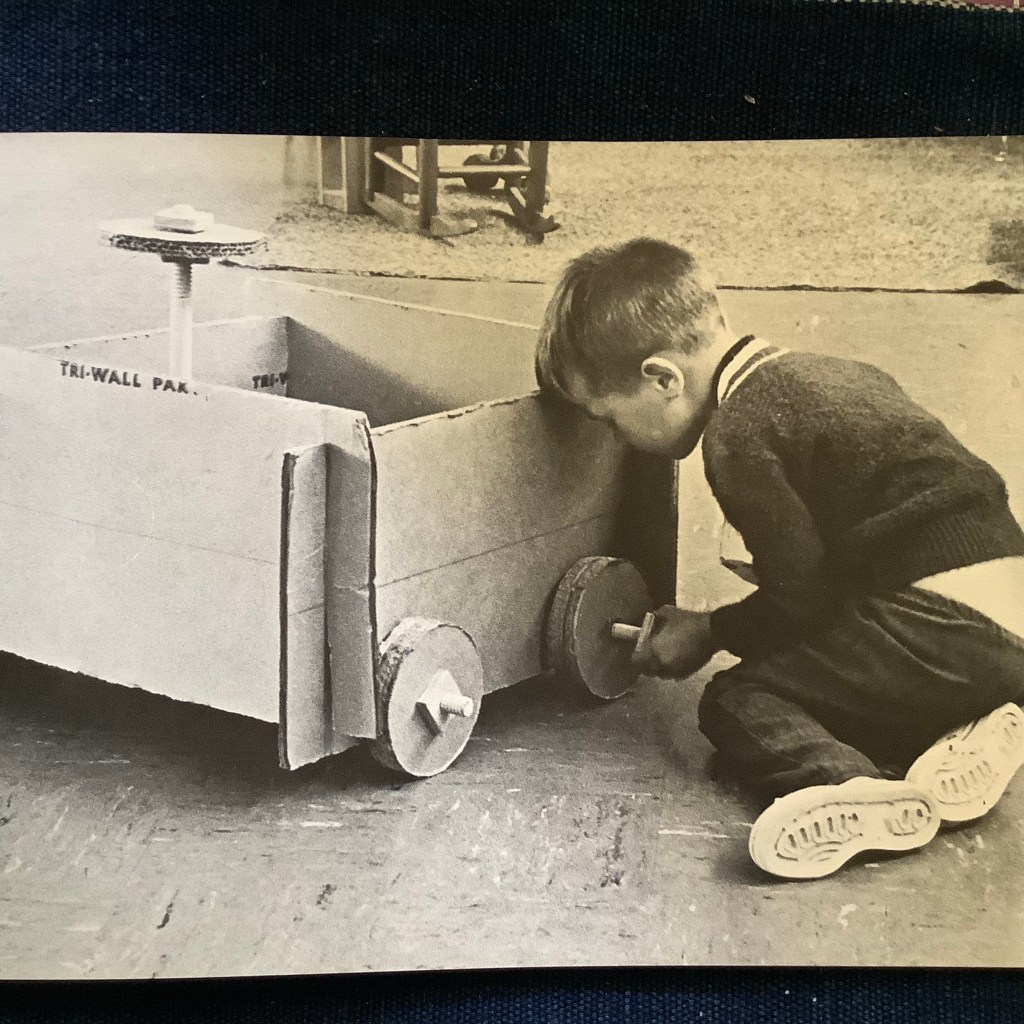
The cardboard is called Tri Wall or Triple Wall and down the line children were also taught to build using it.

Adding Wheels

In 1967 this work began with a Headstart Training Program housed at Bowdoin College in Brunswick, Maine. Teachers and Science Supervisors from Elementary Science Study set up an in-house workshop. Teachers, Parents and Students all participated.

Math and Science Construction Worker Bees

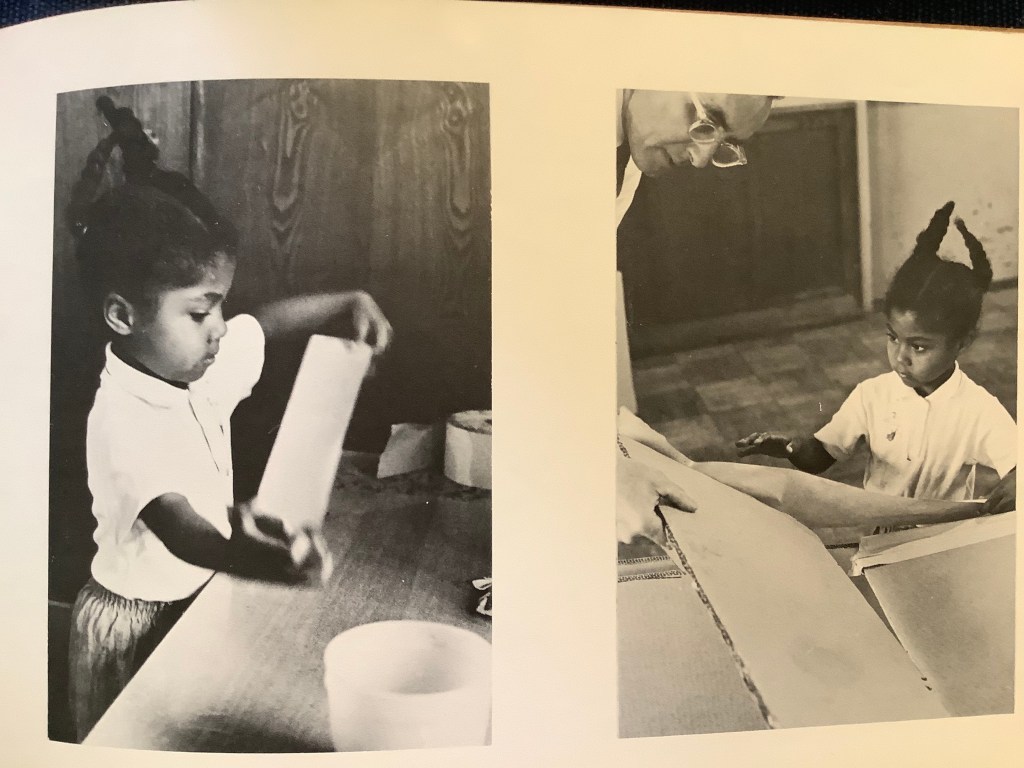
Next were recruited Teachers and Teacher Aides from the Associated Day Care Centers of Boston, MA. And after that, Kindergarten Teachers from the Cardozo Model School District in Washington, DC.

Very Young Child Builds With Packing Tape

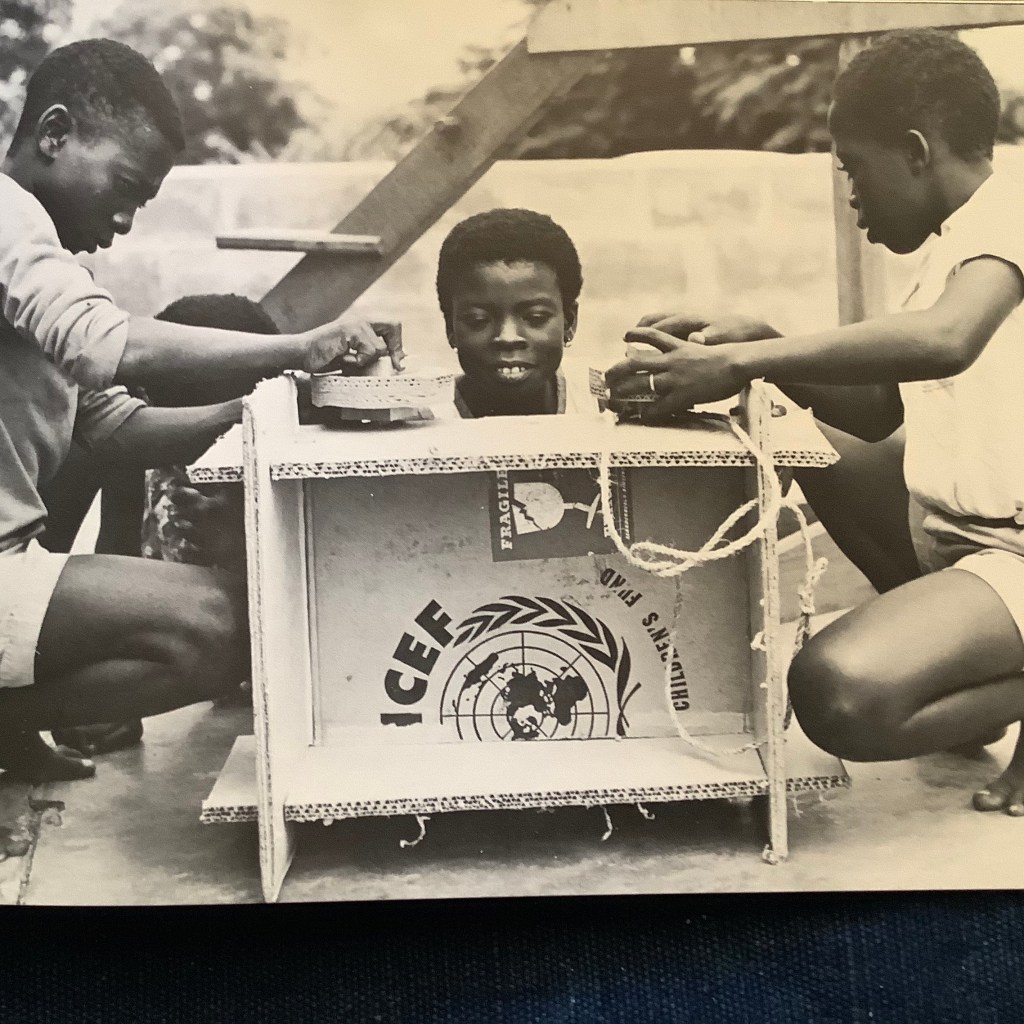
At one point, even the kids from the African Primary Science Program held at 1967 Akosombo Workshop got involved.

UNICEF Packing Materials Came In Handy

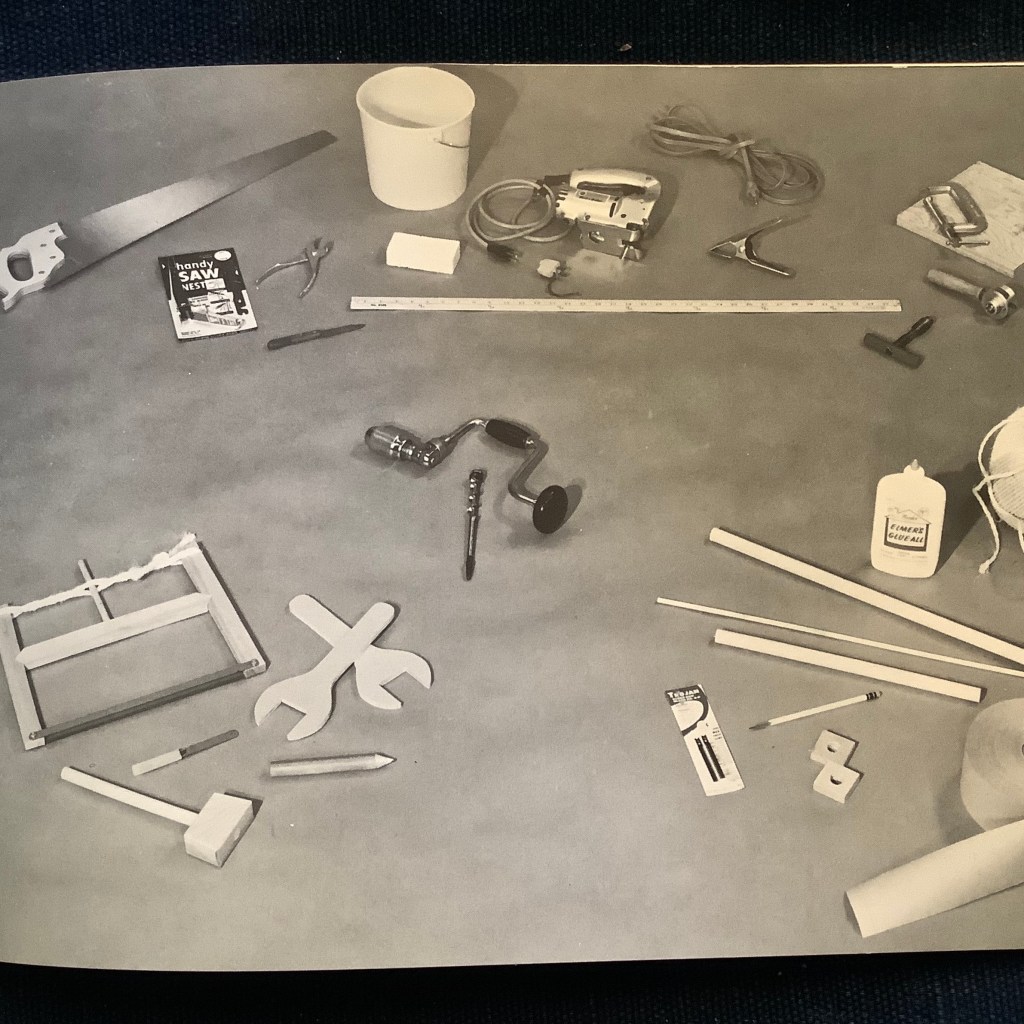
Basic Tools were used. Handsaw, Double-bladed buck saw, hole punch, wood threading kit, packing tape, nails and saber saw.

Simple Tools

So, 53 years ago a big group of smart humans figured out how to get their hands on sturdy cardboard and teach themselves how to build with it. They did not keep this knowledge to themselves. They spread it around. Inner City communities with daycares, Head Starts, public schools, teachers and teacher aides, parents and CDC advisors had a great time learning practical uses for math and science on cardboard.

Imagine, boats, chairs, bookshelves, tables, wheeled carts, dollhouses, cabins, hideaways, puppet theatres, domes, sand tables, play stores, model towns, slides, cradles and tower houses. These were actually built and used with children and by children. It could happen today if we only returned to this very rich tradition.

If we want children sequestered at home to learn, then there must be something exciting and appealing for them to engage with beyond worksheets posted on Google Classroom. Mountains of math, science, literature, writing, geography, technology, investigation, description and experimentation are just waiting to be scaled in Cardboard Carpentry type projects. Stop Policing Our Imaginations!

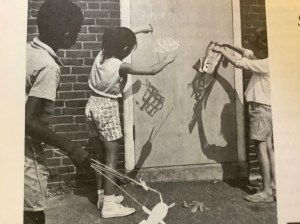
In the summer schools of the Elementary Science Study in Cambridge, MA adults partnered with children and helped SHADOWS come alive. This was the early 1960’s and no one was battling Coronavirus. But like now, they were interested in using the immediate world as the obvious subject for science and for learning. What could be easier and more fun than light and shadows?

Things are complicated right now. We are trying to reopen schools under very dangerous conditions. Some families are electing to remain at home until local health science indicates that group learning in a school building is safe. Light and Shadows is just one example of very simple investigations that everyone can do in the neighborhood, free of charge.

E2F5C639-1997-474A-98BA-AE1BE118EC4D

Lacy things, things with holes. What kind of shadows do various objects make? What about square things and round things?

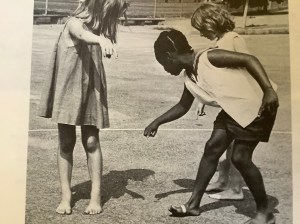
Drawing around one’s shadow isn’t simple. Often first tries are wobbly ones but keep trying and invention grows.

C0F5D285-0678-4518-A5B9-B82854C1BF81

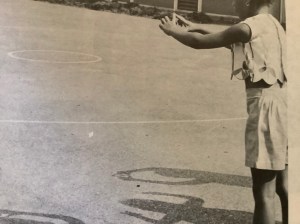
Choose a pebble on the ground. Can you circle it with the shadow of your own hand?
D7F8B9DA-A32B-4807-A045-B52EBC35FAA0
What’s going on here is harder than it looks. Knowledge of space is being challenged and created and expanded.

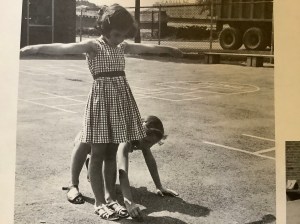
What about Shadow Games? Simple Simon Says: Stand with your shadow in front of you. Touch your shadow. Foot stomp your own shadow’s head. Hide your shadow. Don’t touch your shadow at all.

Shadow Touching!

2F8D9BC5-64A6-438E-9127-5CEB851022B9

Try making each other’s shadows touch fingers, shake hands, touch toes, bump heads, fists or elbows.

How about Shadow Puppets or Shadow Silhouettes?
00EF59B2-9636-4991-966F-57656E395F9C

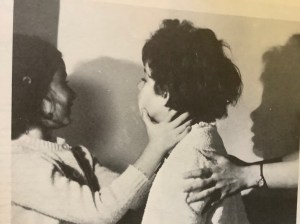
Making a silhouette is just a little harder than you would expect. How do you get someone’s head into a good shadow position? One solution is to have two children look at each other, while a third person does the drawing.

955870CF-F404-48F2-A466-0EB8C93507B2
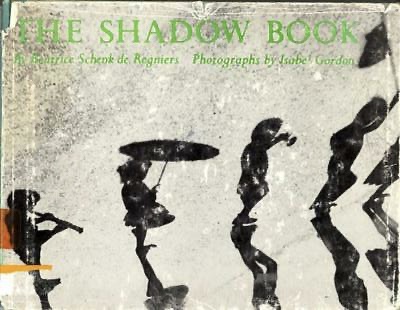
The Shadow Book by Beatrice S. de Regniers and Isabel Gordon, NY Harcourt 1960.

LIGHT and SHADOWS: Space Relationships Through The Phenomena Of Shadows. McGraw Hill, 1976.

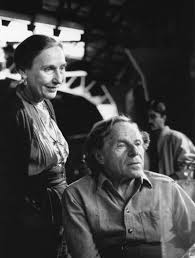
Philip and Phylis Morrison were a big part of that first Shadow Study Summer.

Unknown-1


ARTS and CRAFTS. You might think of doing these on your kitchen table or in a school-based art room brimming with supplies and tables and sinks and shelf space. But how about doing arts and crafts out in the bush. How about NOT having jugs of glue and paints at the ready. What do you do then and where would one begin?

The African Primary Science Series initiated an inquiry into arts and crafts from a Science point of view. Meaning, what is out there in the immediate physical world that could be investigated, acted upon and used as an arts and crafts agent?

So, you want to paint but you have no paints. Maybe you are also watching your pennies and are not spending bundles on Amazon. But you still want to paint.

The youth on this project went out onto the land and began collecting flowers and leaves of different colors. If you have ever come home with grass stains on your clothing, you know from experience that plants are the original source for color in the natural world.

You will have to experiment. The APSP kids started by rubbing their collected flowers and plants on pieces of paper to see what happened. They also tried out roots, leaves and various soils. The Red Clay Of Georgia comes from deposits of iron oxide. If you boil it with small amounts of water it will produce a fairly strong color. Try doing the same with an assortment of roots, soils and leaves and this will be a reproduction of what the Kenya children were up to.

Any bright dye can be used for sisal fiber dying and these same dyes can be used for painting. At least this is what the APSP theorized and tested out. Children thickened colors by adding whatever was available. In the back country of Kenya that turned out to be maize paste or sometimes limestone (chokaa).

Nobody KNEW to do this ahead of time. It is what they discovered as they took the time to observe their surroundings, collect from it and invent using the resources under foot.

Scientists At Work


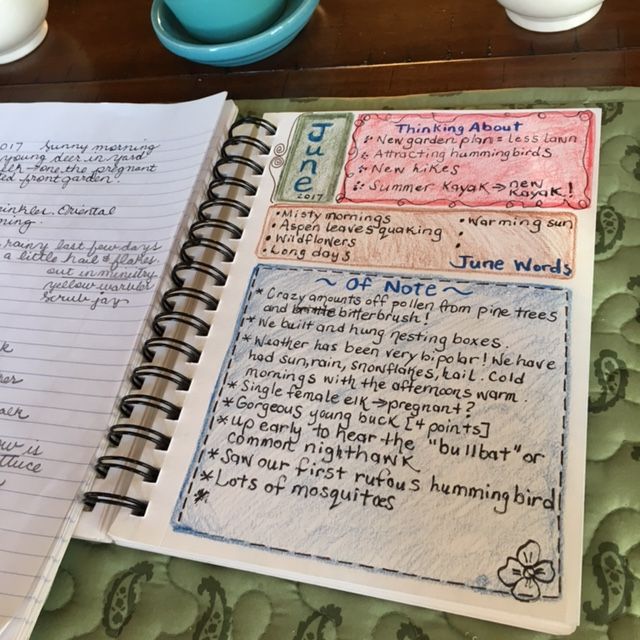
Scientists keep records of what they are up to. These adventurers can and should do the same. That means a lab book or a log book used to record dates when soil, flowers and leaves were gathered. Locations for the gathering. Descriptions of what was collected and either drawings of those or photos. This process can be as elaborate and as digitized or as simplified as one chooses. But it is the rigorous work that scientist engage in everyday. In other words, we are not simply mixing up a paste of mashed corn maize and red iron oxide soil for the “fun of it”. This is a delightful discipline.


2DD102FA-A4FE-47D3-92B3-E532DBBE9262


Paper should come in all shapes, sizes and textures. The ASAP students sometimes resorted to large banana leaves or they tried painting on stones, wood surfaces or blank wall space. A floor tile, a slab of slate or a bedsheet can become a painting surface.

Brushes were not ordered “online”. Get ready because as needed, brushes were made by chewing on sticks or feathering the ends of soft sisal sticks. Some handles were long and others were short and stubby. Obviously, sponges could also be used or torn pieces of fabric.

When they tired of creating paints, the children on this project also drew using crayons, hunks of charcoal, chalk or color-emitting minerals. It is possible to paint or crayon or chalk a leaf surface and then press that onto a piece of paper. Or someone might try using the finger in place of a brush, dipping it into paint, colorful, moistened chalk dust or melted, waxy crayon.

This was the African Primary Science Series and it is tailored made for our era of Coronavirus when adults are returning to traditions that deeply engage the minds and imaginations of children who are insisting on living and learning without the benefit of big budgets or big buildings.