The coal miner families of Scott’s Run West Virginia knew they were abandoned. No work, no money, no food, no running water, no heat, no medical care, no schooling. No way out. No surprise. The boom and bust cycles of industrial mining had remained the same since before the Civil War. Once the unrestrained greedy barons departed, the human misery set in. There was no rescue in sight.
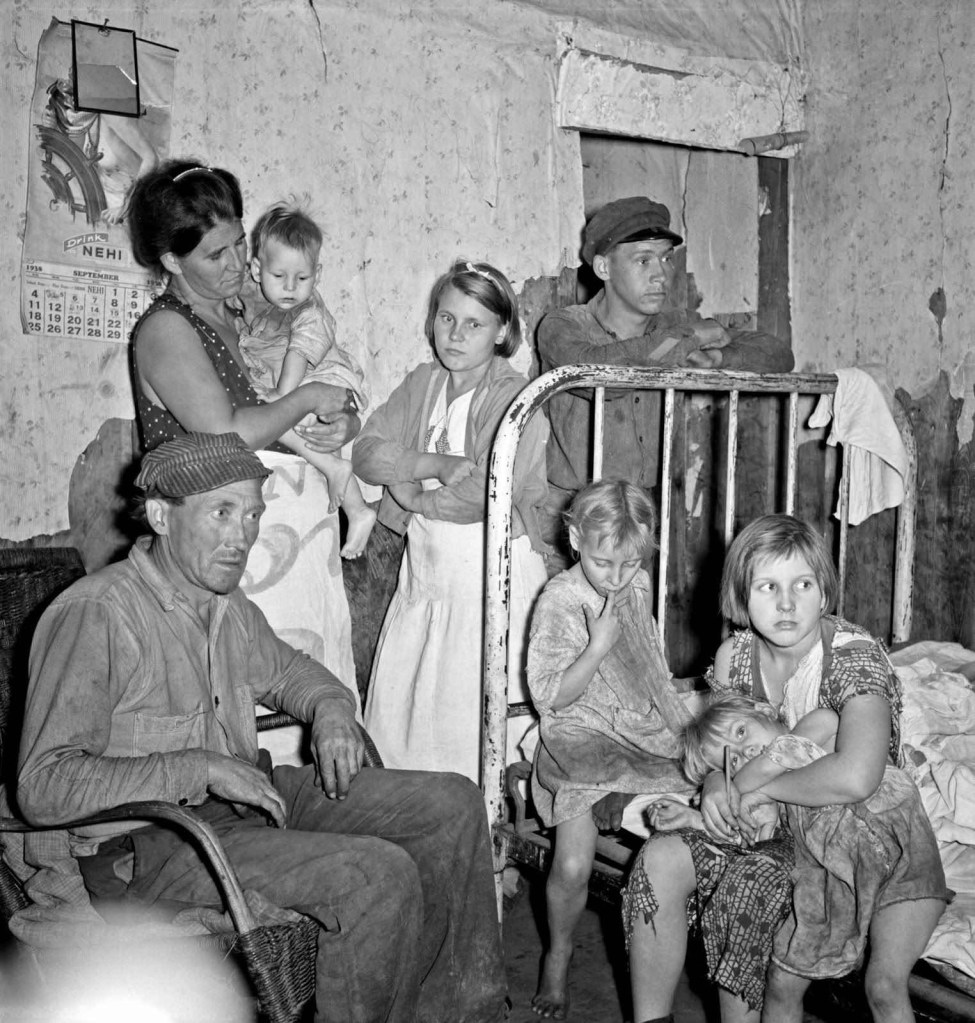
1938 Pursglove Mine Scott’s Run
But the families of Uvalde Robb Elementary did not know they were abandoned. Yes, they had inherited a legacy from decades of bigotry against indigenous Hispanics. But all around them was the ever-present, well-armed law enforcement. Border Patrol Costumed As Hunter-Killers roaming the barrio-colonia arresting Migration People and shoving them into the rapacious For Profit Detention Centers located nearby.
It turned out that the only policing competence required in Uvalde was the ability to slide up next to Gov Abbott’s right-wing wallet and purchase as much Military Industrial Complex Tough Guy paraphernalia as the city/county budget would allow. It was simply an investment in Make Believe. A stage play, a manipulation, an illusion and a calculated strategy operating to preserve and perpetuate raw, political power. No protection. No rescue in sight.
“On the bloody morning after, many Tin Soldiers rode away.” One Tin Soldier Song Lyric/Brian Potter / Dennis Earle Lambert 1969
Scott’s Run was a long valley of coal seams crowded with camp after camp. As Elsie Ripley Clapp/ERC drove along she saw abandoned tipples, burning slag heaps, no trees, no gardens. Steep hillsides made barren, coal black, ugly and dangerous with flimsy, dilapidated shacks.
Some were crowded along a highway but others much worse, were perched high on hillsides. unkempt, leaning, empty storefronts, broken glass fronts, rickety porches. There were worn-out advertisements, dirty under-stocked stores, trash for as far as the eye could see.
And then there were the men. Listless, smutty-faced with their raggedy sweet-faced children and maimed curs. One single camp was built on a cinder heap. Not a tree. Families living in long shacks. Just one room or two with a foul privy behind. What passed for a school was 40 children in a room, sitting in desks from 9-4. All of it resting precariously on a hillside high above.
There was Nadia Danilevsky talking to men who were laying pipes for what might become a public water system. At long last, they were going to have running water and certainly that would help. But no amount of water could wash away the utter, awful ugliness, nor the listless/hopeless atmosphere.
This place was a rotting shell leftover from the Boom Days. It was the epitome of abyss and abandon. And one could not help feeling outraged that human beings would be obliged to exist under such miserable circumstances. This description became the POINT of the Community School.
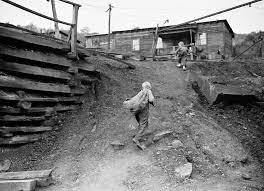
Scavenging For Coal To Warm & Cook
The Community School that E.R. Clapp went on to create was what we might today call an activist school. It was a public school that took action.
Robb Elementary in Uvalde, Texas is of a similar mind and history. Clapp and her cohorts had the tragic residue of industrial/police state greed and corruption to deal with. Uvalde was afflicted with the pernicious legacy of colonizing capitalism fueled and excused by rampant racism. Robb sits in the middle of its Hispanic community.
Its families have fought tooth and nail since the late 1960’s for a safe facility, books, buses, nutritious school meals, Spanish-speaking faculty. The basics.
Genoveva Morales, mother of 11, filed the first lawsuit in 1970 that resulted in a Court integration order. That came after a massive, multiple school walkout. Six weeks of protests, pickets, armed Texas Rangers patrolling the Hispanic streets of Uvalde, Huey helicopters flying overhead and taking recon photos of marchers. The Community School responded with packed, contentious school board meetings, a Freedom School, a Free Lunch program, a newsletter, a Teatro/Theater company and much more.
In 1980 The US Department of Justice sued Uvalde schools. It charged them with racial discrimination and the persistence of policies that diluted the voting power of neighborhood Hispanics. At-large school board elections had been engineered to ensure that no Mexican Americans won.
Marching For Their Lives
If you want to STOP a Community School dead in its tracks, make sure no one from the community can get elected to governance, oversight, policy/finance/curriculum decisions or review of the parent complaints that pile up after decades of abuse and neglect and exploitation.
When Elsie Ripley Clapp first toured the ruined coal camps of Scotts Run WV, they were dangerous places. Children were dying and so were the adults. No, not dangerous like the gun massacre in Uvalde TX.
In Great Depression Era Scotts Run, no one had thousands of dollars to spend on expensive weapons of war + ammo. Even bullets for a squirrel gun were at a premium. So was the squirrel meat. Everyone was starving and perishing the old fashioned way. TB, scurvy, rickets, pellagra, typhoid, pneumonia, hunger. Slow and lethal.
Elsie Clapp came from the social and economic class of people responsible for this carnage. What she saw came as no surprise.
She knew that the Gilded Age had made their millions off the backs of laboring miners and then simply walked away once the plunder was complete. She knew this but she did not accept it. It was wrong and it could be remediated. And so she set about creating a Community School.
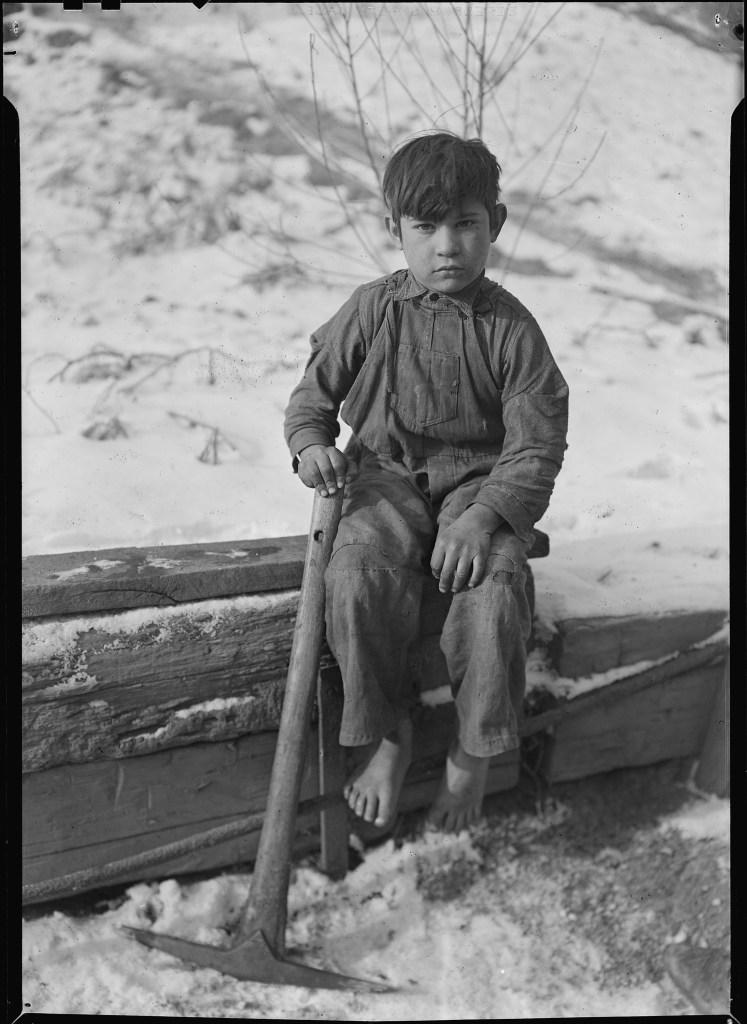
Snow Ice Shoeless Search For A Chunk Of Coal
There could be no Community School without living-breathing inhabitants. And conditions had been allowed to get so bad that the area most closely resembled a war zone full of 4,000-5,000 skeletal humans on their very last leg. President Hoover had been sitting on a fund of money originally designated for feeding Belgian and French children post WWI.
At long last the war relief money was ultimately handed over to Alice Davis, Nadia Danilevsky and Clarence Pickett with the American Friends Service Committee. Food rations and fuel for warmth and cooking was the first order of business. Clapp described seeing scrawny children playing in stinky, sulphur-ridden puddles by the side of the road. She walked into a long, corrugated-iron shed with #7 painted on the roof. Down the length of the shed were small cots. A wood stove was at one end and a jerry-rigged shower at the other. A young woman with an ancient air about her, bent over and toothless, introduced Elsie to the improvised, rudimentary Nursery School. “We bathes ‘em. We feeds ‘em and we sleeps ‘em,” she proudly announced. This constituted a beginning at the center of oblivion.



 kathyirwin1