Most of what we’re learning about the world right now comes in the form of bad news.
We discover the beautiful beaches of Gaza overlooking the Mediterranean Sea. But our introduction includes watching Gaza being bombed into oblivion.
That is not the most instructive way to be learning geography.
I love this shower curtain. It is colorful, clearly illustrated and full of opportunities to become interested in the abundant terrain & inhabitants of our world. Obviously it could hang in a bathroom. But also in the bedroom, a studio, a classroom, a living room or on an outdoor patio.
There is so much detail here that pulls one in for reflection and research.
Whether it is used in a home or in a school, it is a starting point for adventure, inquiry and imagining.
Rather than thinking of geography as a subject that one must study using globes, pull-down maps or textbooks crammed with factoids and photos. How about a shower curtain? Begin by listening and not lecturing.
Are you curious about the animals? What do the colors signal for you? Blue, Green, White, Yellow? How many land masses are shown and how many BIG bodies of water are left off of this playful, eye-catching chart?
“They sensed very quickly the attempt to subjugate and beat them down to low wages and a precarious living.
Their resentment is peculiarly without bitterness. Their desire to get a just return for their work is strong.
A system of migrant self-government began to take form. They called it Functional Democracy. Committees took on Sanitation, Child Welfare, Adult Recreation or Fire Safety. This problem-solving energy was an important factor in keeping and restoring human dignity. It was so successful that when camp people moved to new locations, they set up DFS’s wherever they went.”
Sonora Babb Dustbowl Migrant Camp Activist
On the Dirty Plate Trail: Remembering the Dust Bowl Refugee Camps. U of Texas Harry Ransom Humanities Research Center Imprint 2007.
Yes! Kraft Heinz is pulling Lunchables. From the low-income school meal program. Consumer Reports says “Lunchables & other lunch kits = high levels of sodium + cadmium + other harmful chemicals & have no place on the school lunch menu!”
But please Do NOT applaud these corporate menu monsters. Because the kits they sold to the craven cafeteria crowd were created SPECIFICALLY for school lunch programs. And worse, contained even HIGHER levels of toxins than those available in the grocery store!
Do you want to think about absurd elites? Then let us begin by imagining John Kerry telling his wife Teresa Heinz to get her privileged posterior into a Kraft Heinz Board Meeting and immediately removing the publicly-funded poison from the bellies of the impoverished. But No. John was too busy flying around the globe as U.S. Special Biden Envoy For Climate. Hypocritically Lecturing anyone who would listen to him. Droning on about global warming dangers. While his wife’s company was killing off children in the ghetto, the holler, the REZ & the barrio. Well at least they won’t have to suffer the ravages of climate crisis.
For sure The Kerry-Heinz-Biden offspring are not excelling at their private schools on a steady diet of Lunchables. Instead they stay way ahead of the curve thanks to a wide assortment of resources and opportunities available to very few. But this is necessary so that they can grow up and one day continue to rule & reign supreme over YOU. That is how the pecking order works at present.
If you do not care for the duplicitous manner in which this last election was executed from BOTH sides of the aisle. Then please join the outrage in some meaningful fashion. Because these fiscal fiends aren’t giving up. Kraft Heinz Final Word? “Lunchables products are not available in schools this year but we hope to revisit that at a future date.”
Lastly a reminder from The Science Corner. Cadmium is linked to kidney and bone disease and cancer. There is no safe level of lead for children.
Our children. All of them! Are being put through quite a lot. Adult immigrant bigotry, systemic racism, homophobic school board book ban mandates, corrupt charter schools stealing their public school buildings & budgets, anti-nutrition school lunch programs, A.I. Driven computer curriculum ad nauseam.
They know a steaming pile of excrement when they smell it. It agitates them and alienates them. Which places them in an untenable position. How does one love & respect a community of grownups who behave this way? How does one swear allegiance to a Democracy that permits and promotes such cowardly conduct? Our kids are wrestling deep inside themselves with some very serious emotional/developmental questions.
There are living-breathing children & youth inside those public school buildings. We are burying them beneath the casual rhetoric of adult politics. We are rendering them invisible by not describing what is being done to them. In the 1930’s sisters Sanora & Dorothy Babb waded into the depths of The Dustbowl Migrant Refugee Camps. As they helped people, they also documented the daily unfolding of events. It is a STUNNING & very humane portrait. “On The Dirty Trail: Remembering The Dust Bowl Refugee Camps” U of Texas Press 2007.
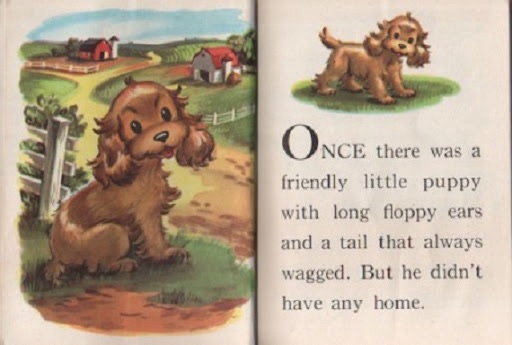
Once there was a perfectly GOOD puppy who was not treated so good. He was homeless. A bum on the street. An undesirable in the community. A stray. A vagrant. He was on the OUTS with just about everyone he encountered.
Now we all know what happened when the little puppy went looking for help. He was screamed at. He was run off with a broom. He was called mean names. He got chased down a winding road with a rake. He got chased down another winding road with a pitchfork for heaven’s sake. He was even bitten by a mother bunny who wanted him to stay away from her baby. And if that was not enough, he got a hard spanking with a folded-up newspaper by an old man who just did not like puppies of any shape or size. This was no way to carry on around a perfectly GOOD puppy.
The puppy was harassed, harangued and humiliated. It was a tiring ordeal certainly. But it was definitely not a deal breaker. Because the GOOD puppy kept imagining a terrifically GOOD home for himself. He was sure it was going to happen and guess what? It did.
He got up on his tiny hind legs and peeked through a window at a boy’s birthday party. A party that was perfect in every respect except for one thing. No one had thought to gift the birthday boy with a puppy. But as it turns out, the GOOD puppy took care of that little oversight all by himself. The birthday boy, his Mom and his Dad knew a GOOD puppy when they saw one and they took him in. They waited a reasonable amount of time and when no one came to claim him. The family kept the GOOD puppy for their very own.
This title was part of a wonderful 1950’s series of Rand McNally Junior Elf books. Hard bound. Deep vivid colors and easy to read LARGE PRINT. All for the bargain basement price of $0.49!
These little books were sometimes FACT and sometimes FANCIFUL. And this one was packed full of suspense and danger at an emotional level accessible to young children. The illustrations are terrific and they make it very easy to imagine one’s self being chased all over the place by garden tools and hollering humans.
It is also made quite clear that none of this behavior is acceptable when meeting up with a GOOD puppy. The right response is not a fight or flight response. The right response is the act of warmth, regard, appreciation, acceptance, welcoming, sheltering and including. A richness of difference that the family did not know it was missing until the GOOD puppy appeared.
We can spend our days learning lessons from these wise Junior Elf stories. Or we can waste our time and our lives gathering with RABBLE who enjoy applauding when the spears and the tiki torches come out. To chase the equivalent of the GOOD puppy off to a place we choose to dismiss & characterize as “GARBAGE.”
What if Active Learning and Activist Learning came to mean the same thing at an imagined Michael Brown’s Ferguson Missouri high school? Maybe Ferguson would not have been inhabited by an occupying army. Students with authentic teachers, meaning not adults simply drawing down a paycheck and going along with the educational atrocities, would have called a community meeting. Maybe Michael would have lumbered in to listen, curious, skeptical but reflective.
In this meeting, students would have announced that they were alive and in search of an education, one they were not receiving in their current situation. They would have made it quite clear that rich Missouri men with “budget experience” had no business being assigned a phony administrator title and phony authority anywhere within the district’s school hierarchy.
They would have declared that deliberately impoverished school budgets and segregated learning centers were nothing new. Just the old, stale, sick repetition of the same old racism.
Video, protest art, interviews, dance, drama and public exhibitions would have begun to document what passed for high school in Ferguson. Out of control students, teachers, police and politicians would have been denounced and then put on public display for all to see and censor.
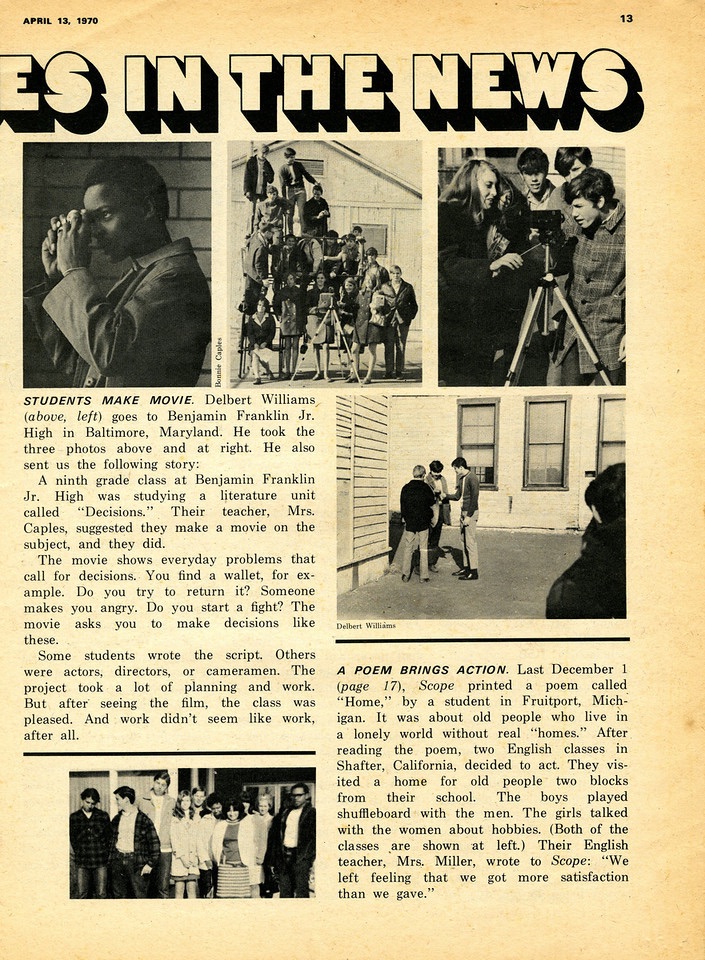
This is what Active and Activist Learning is capable of and it is exactly why we only catch glimpses of it on the cover of an aging high school newsletter from the 1970’s.
Rest In A Disturbed Peace All Ye Who Love Democracy!
As you might guess, there was no resting in the imagined Ferguson Missouri Normandy HS. Active and Activist Learning requires action, action that disturbs the peace and prosperity of right wing, reactionary eejets like the Silver Dollar City Theme Park tycoon from Branson, MO and his state school board cronies.
The community of learners at Michael Brown’s high school recognized an oppressive colonial model when they saw one. Some secret somebody announced the arrangement one morning by gaining access to the Public Address system and airing an up tempo version of Gil Scott-Heron’s hit song, Johannesburg, with revised lyrics that inserted Fergusonburg. And for that historic week, What’s The Word? Fergusonburg! was the chorus chanted over and over in every hallway, assembly, food line and sports team warm-up.
Michael Brown had never heard of Johannesburg, Steve Biko or poet Dennis Brutus but pretend for a moment that his teenage school mates made certain that he began to listen up and learn. If Normandy High was to be their Robben Island, then there was a rich history of resistance that cried out for absorption.
The first rule of survival in such a degraded, Power Over Paradigm is self discipline and unified action. When Michael behaved like a bully or was spotted hanging out with the wrong crowd, he got called on it in a community meeting. He didn’t like it much. He even stomped out a time or two but in the end, he embraced the upbraiding delivered in his best interest. He was no bull in a china shop and he could not muscle his way through life in Ferguson. Though oblivion was a logical choice, his friends cautioned him not to get lost in a haze of drugs and illegal misadventures. They needed his intelligence, his humor, his loyalty, his affection and his strength. A dead hero is no good to no living body. These kids were fighting for a good life and Michael’s spiritual muscle was a Must Have.
It was in this fashion that Michael Brown began to master the art of channeling his outrage at the conditions that surrounded him. He was not alone, an aberration, a menacing giant or a renegade. He became a young man with a purpose, the very big purpose of revealing Ferguson to the world for what it was, an oppressive arrangement, repeated across our USA in countless communities of class and color.
Did you really think the Ferguson Teens needed to read that the White House authorized U.S. torture centers around the globe? Of course not, because militarization of the entire culture was obvious on their neighborhood streets day after day. It was obvious in the corridors of Normandy High where students roamed freely outside of assigned classes while unable to read and comprehend the front page of USA Today. Time to take the bull by the horns.
Michael Brown first argued that he did not have time to tutor anyone but he was soon persuaded otherwise by his affirming affinity group. They would set up shop after school at the library, in a church basement or barber shop, using whatever was at hand to launch their improvised adventures into literacy. It was crazy, sometimes raucous and rowdy but they were effective and they knew it.
Numbers swelled and soon bands of teen tutors and tutees began mounting voter registration drives across the most under-served sections of Ferguson. They fashioned themselves after the freedom-seeking literacy/voter movements on John’s Island SC in the 1960. They knew full well how literacy and grassroots empowerment were linked and they also knew that the cops would interfere the moment their work began to pose a challenge to the White Power Structure. What’s The Word? Fergusonburg! And in Fergusonburg it became a badge of honor to be stopped by the police and interrogated or threatened for distributing handbills that laid out the particulars on how and why to register and vote out the ruling junta.
Well, you know how youth are. They talk to each other. They post and twitter, message and selfie and before too long surrounding high school student bodies began to hear about the active/activist Ferguson learning movement. No one needed sanctioned internships or co-op experiences. It was not a phony resume citation they were seeking nor did they request official credit. They knew the real deal when they saw it and they wanted in. Soon, the P.D. was hassling the sons and daughters of county clerks, plumbers, beauticians and practical nurses. These parents were having none of it and so their dignity and influence brought an entirely new audience to the inhumane horror that was Fergusonburg.
When the private schools arrived, it really went viral. After a day of voter reg sidewalk pounding, they all headed home with iPods and iPads full of video, audio, photos and instagrams documenting the paramilitary protocols practiced in Fergusonburg. These parents were fast and furious with a response that rained official censure all over the pathological parade that passed for a community police presence in Ferguson. Talk about class warfare. The 1% were finally throwing their weight around someplace where it would do some good. A whole new world of energy, citizenship and inclusion began to take shape.
We are sending our children and youth into War Zones disguised as schools. In Springfield Ohio classrooms found themselves under a siege of politicized Bomb Threats.
In Uvalde Texas & Georgia’s Apalachee High, pupils endured a morning of AR-15 death, destruction & evacuations
These terrible first hand experiences of violence are now a cornerstone of growing up & being educated in America.
Sand Trays are psychologically soothing for all ages. In the photo a young hand draws a Rhoda Kellogg style sun with rays eventually forming into a mandala. An ancient universal meditation on form and movement.
Sand slides quietly, deeply and easily. Flowing through fingers. Providing the space for thought, reflection and emotion.
After having your school shuttered just in case a homemade explosive is hidden somewhere on the premises or after witnessing your 14 year old friends grievously wounded by an assault weapon, perhaps it is time to revisit sensory/somatic remedies for the trauma narrative that follows.
Words are not necessary. In fact they often fall severely short of communicating or comprehending the horror one has just survived. But sand just might speak to the entire catastrophe.
Dr. Margaret Lowenfeld’s Sand Tray/Sand Play Therapy preparation was the intensity of a 1920’s Russo-Polish War. She worked with troops along a 400-mile front, in prisoner of war camps & helped feed/clothe the demobilized Polish college students. She treated 1,000’s with the diseases which followed the war and she witnessed “the larger number of the population displaying the waxy transparency of famine.” She was impressed with the resilience of children under stress. And later back in London she observed children with the same “expressions, postures and gestures that resembled those with which I had become familiar in prison camps and famine areas.”
Sand Trays are one way of acknowledging and providing the material & method required for healing one’s self. The self that used to believe her classroom was a safe space. The self who assumed her playmates were protected by adults & community. When that self is shattered, a revised consciousness must be constructed. One that admits the unthinkable into the equation of SCHOOL.
Sand Tray Therapy Miniature Props For School Violence Events: Handcuffs, Cops, Angels, Smartphone Miniature, Tiny Tombstone, Wolf In Sheep’s Clothing, Roaring Lion, Mother Wolf With Pups, Explosion, Military Vehicles, Red Devil, Bomb, Miniature Weapons, Green Grenade, Warrior Woman, Miniature AK 47 Rifle, Coffin, Praying Hands, First Aid Box, Ambulance, School Desk, School Bus, Miniature Hospital, School Building.
“I was drawn to and inspired by a photo taken by Charles Harris in Pittsburgh in 1949. The photo showed a group of schoolchildren getting ready to cross a road. One child is a safety patrol officer. He has his arms out to the sides, keeping the children behind him on the curb until it is safe for them to pass. He wears a cap and a pair of stylish round sunglasses that give him the air of a confident traffic cop. I saw this boy as a representation of young Black children looking after each other without any need for adults to intervene. You can see the other children respected their peer leader and were patiently waiting for his permission to cross. That image gave me some hope.
For the safety patrol officer, I chose to make his sash out of kente cloth, a woven Ghanaian cloth that used to symbolize wealth, status, and even royalty. Here the kente shows that the boy has been chosen as a leader by his teachers. I also used a Nigerian wax-resist fabric with the word “OK” printed all over it. The words act as a mantra protecting the children, just as the eye over his breast pocket serves as a talisman to ward against evil. Such protective symbols are used in African and Mediterranean cultures, while in ancient Egypt, these ideas come together in the Eye of Horus, a symbol of protection, royal power and good health.”
Herbert Spencer Zim was a teacher and author in the field of science. Sonia Bleeker (Zim) did the same for children but focusing on Anthropology. Sonia and Herbert travelled all over Africa, Europe and North and South America.
Always taking notes and doing research for her many books about Native Americans, Pre-Columbian cultures and various African tribes.
1954, 1955, 1958, 1960, 1963, 1969 Editions
The Quiz-Me Books were a series for youth featuring impressive Museum illustrations, a clearly written text and a concluding list of questions which sent the reader back into the text for further investigation.
Sonia’s INDIANS book is arranged by topics that are close and familiar to the lived experience of a contemporary child. Good starting points for beginning inquiry into complex cultures. Homes, Family Life, Hunting & Farming, Clothing & Ornaments, Languages, Tools & Weapons, Transportation & Trading, Religion & Ceremonies, Games, Feasts & Dancing.
Pre-Colonization Family Life is described as happy with parents who took good care of their children. A child naming ceremony was considered important to the clan because it bestowed upon each child a name that possessed special powers. A baby was given a nickname so that the secret name never got used up thereby wearing out its power. This is exactly the sort of anthropological detail that adds an element of magic and mystery which appeals to imaginations young & old.
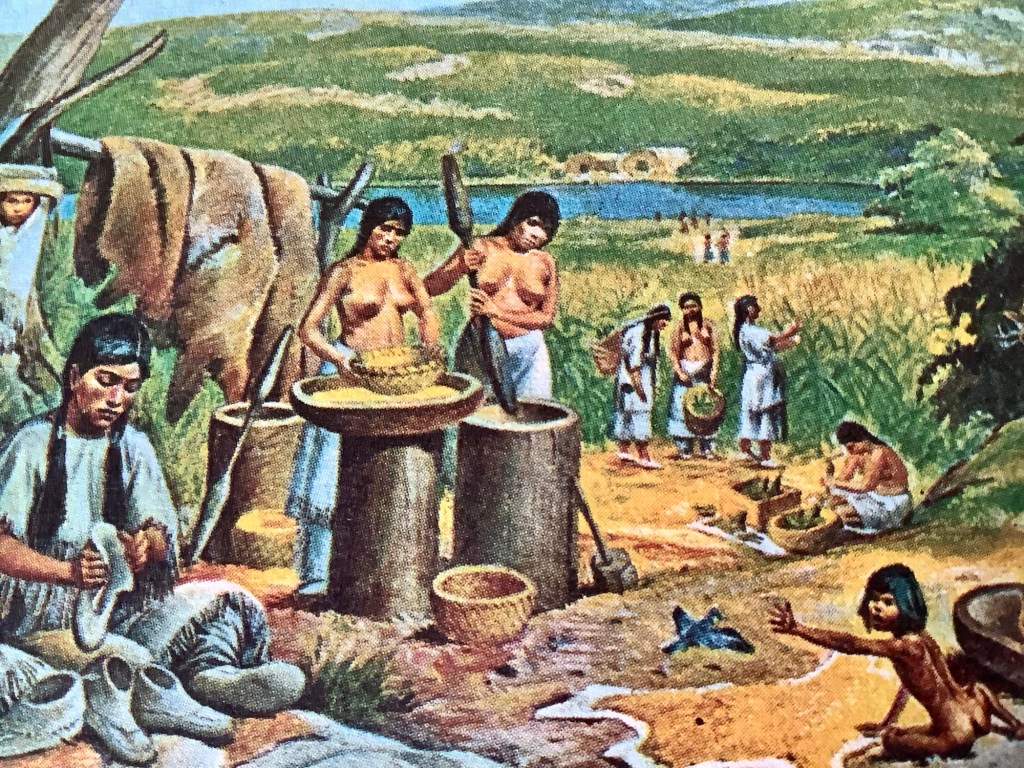
A Busy Iroquois Household
Women are shown with breasts. And Sonia writes that all mothers nursed their children and the baby was always with its mother. Fathers took charge of sons when boys were old enough to learn planting, harvesting, hunting, weaving or chipping, flaking and fashioning arrows, wampum or turquoise ornaments.
Turquoise
Every Indian man, woman and child was once upon a time surrounded by relatives. Elders transmitted the ceremonies & rituals of the tribe as well as the sacred pathways to adulthood. Presented is the portrait of a stable and thriving society. BEFORE Invasion, Enslavement, Disease, Genocide, Occupation, Forced Relocation, Destruction of Food Sources, Demoralization, Despair. The Deliberate Devastation of a Way of Life.
Even a speed read of Sonia Bleeker’s Quiz-Me paperback would leave one asking very different kinds of end-of-chapter study questions. How can the annihilation of 80 Million Indigenous people be imagined? What facts should be included that might help us calculate such horror? Which anthropologists in 2025 are researching and writing for school age children seeking facts about cultures & customs recovered and revitalized precisely because of the richness they contribute to the vitality of democracy?
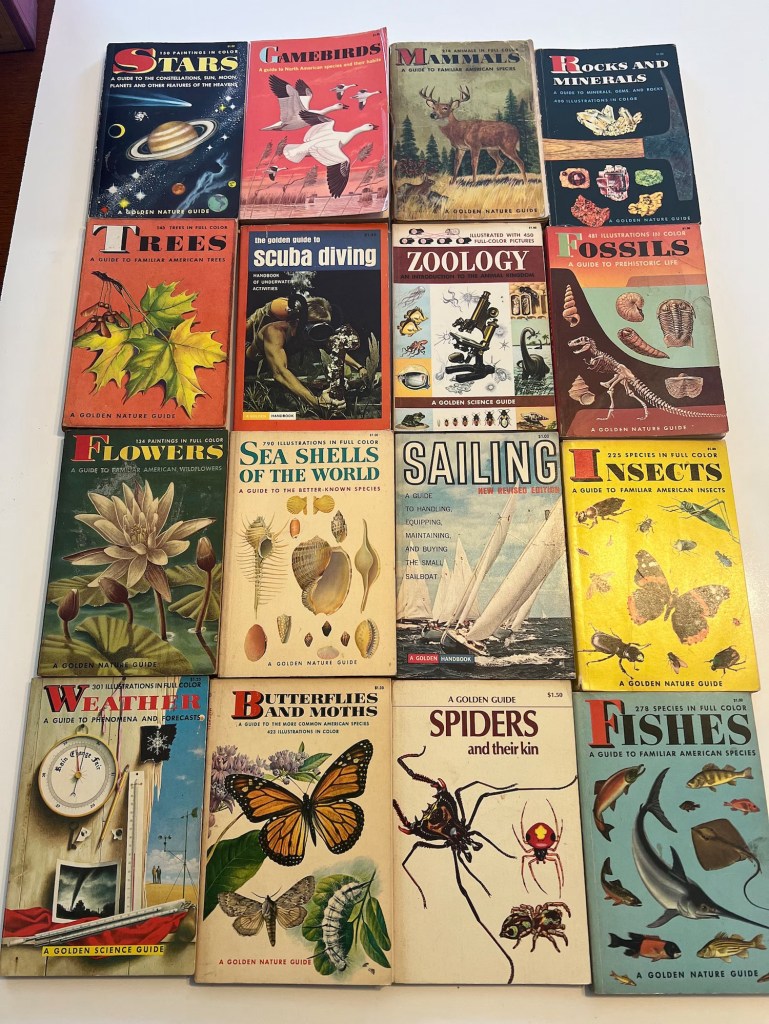
Herbert Spencer Zim. Ever meet him? You probably have if you’ve picked up one of the wonderful Golden Nature Series Paperbacks.
Herbert was the author or co-author of more than 100 books and countless articles. And he was known to generations of children as the man who explained everything from the workings of parachutes to which birds could be found in Central Park in the fall.
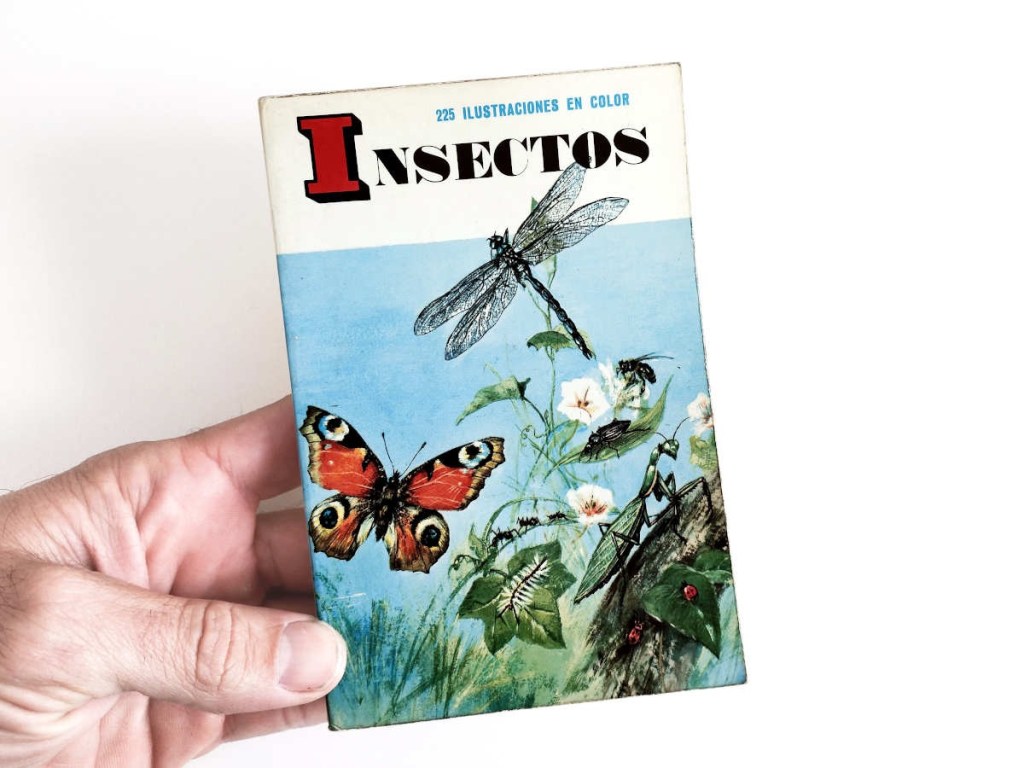
The Golden Nature series, including “Birds,” “Insects,” “Fishes” and “Trees,” exemplified his style. Concise, engaging and comprehensible to children without being simplistic. The 1966 book “Birds of North America,” which he co-wrote, is still regarded as a staple of the field.
Starting with “Mice, Men and Elephants” in 1942, he set about writing children’s science books at a dizzying pace. His early works, like “Air Navigation,” “Parachutes” and “Submarines,” often dealt with mechanical science.
In 1947 he became the editor of Simon & Schuster’s Golden Nature Guides, and he began writing some of the books in 1949. He also wrote articles for magazines, particularly those devoted to education. He edited a children’s encyclopedia, “Our Wonderful World,” in the mid-1950’s.
Golden Nature Guides
Like Herbert Zim, the Los Alamos scientists of The Manhattan Project, also believed that children in a Democracy need to understand the science of their world. In the 1960’s they began their own versions of elementary school science investigations designed precisely for classrooms. Hands-on places where curiosity and inquiry were encouraged. Not annihilated in the interest of profit-driven, corporate testing tyrants.
There was a philosophy.
The important thing in any learning is to be able to use it, to go beyond it, in the direction of still further learning and activity. When we look at our classrooms, what do we hope to find? We hope to find children working with confidence and intensity on problems of their own choosing. The primary objective at any given moment is that the children be involved with the caring about it enough to make their own effort to come to know it better.
Children work best when trying to find answers to problems that they themselves have chosen to investigate. These problems are best drawn from their own environment and tackled largely by practical investigations. Teachers should be responsible for thinking out and putting into practice the work of their own classes. In order to do so they should be able to find help where they need it.
A group of Los Alamos physicists were passionately fond of the elegance of physical phenomena such as pendulums, balances and inclined planes. They called themselves The Playground Physics Group. And started by looking at swings, seesaws and slides.
They had a good beginning set of materials and ques- tions for balances. And they were gathering courage to try them out with children. A footlong ruler was balanced on a rounded piece of wood, and a few metal washers were placed along it, preserving its balance. Someone held on to the stick and moved one of the washers. Next someone had to move another of the washers so that move compensated theirs and the ruler would remain balanced when they let go.
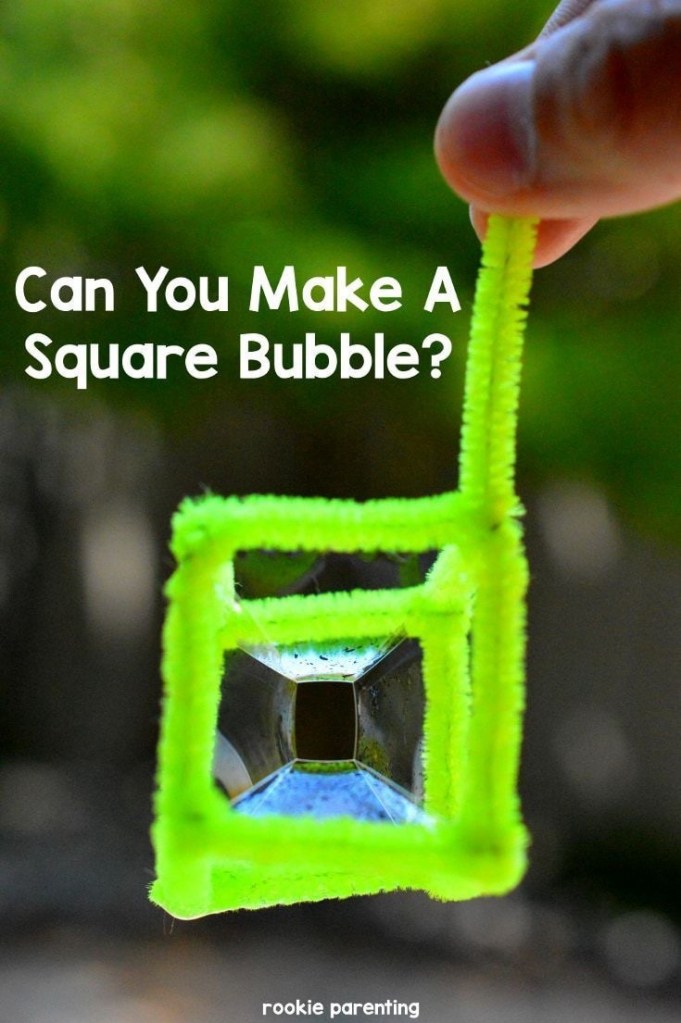
How about trying to make as many layers as one could have colored liquids? And then finding particles (rice, plastic bits, wood chips) that floated between the layers. Moving from beakers to closed pill bottles, focusing on the motions the liquids made as they were turned over or stirred up. A favorite was corn oil sit- ting on red-dyed glycerine with a few radish seeds at the interface.
Manhattan Project David Hawkins wrote:
“Along with the growth of intuition and understanding goes a necessary component which can only be called aesthetic. An enjoyment, a sheer enjoyment of the phenomena themselves. Make up a few color tubes and play with them. What is this good for? Is it going to lead to an understanding of density or surface tension? Probably not. Well then, what is it good for?
I think part of the answer is that the tubes are just good and one doesn’t have to ask immediately what they are good for, or indeed, whether they are good for anything at all. Try them out and just see if they generate further ideas for exploring the curious behaviours of different sorts of liquids.
Or think about butterflies. Here is much richer scientific fare. But would it have the richness if it were not for the marvellous colors and shapes and movements of these little animals? Every part of science has its own characteristic phenomena and gives rise to characteristic — one is tempted to say — art forms. Contrast the style of the caterpillars and butterflies with the elegant motion of a ten-foot pendulum.”
How About Ants! A little creature often ignored.
What is it? What does it do? How does it move? What does it eat? How does it catch its food? How does it live in these little sand pits? How does it eat? How does it make these little pits? Can it make pits in gravel? In flour? In sugar? In ashes? Does it prefer sand to gravel? How does it throw things out of its pit? How big a thing can it throw out of its pit? Can it see where it goes?
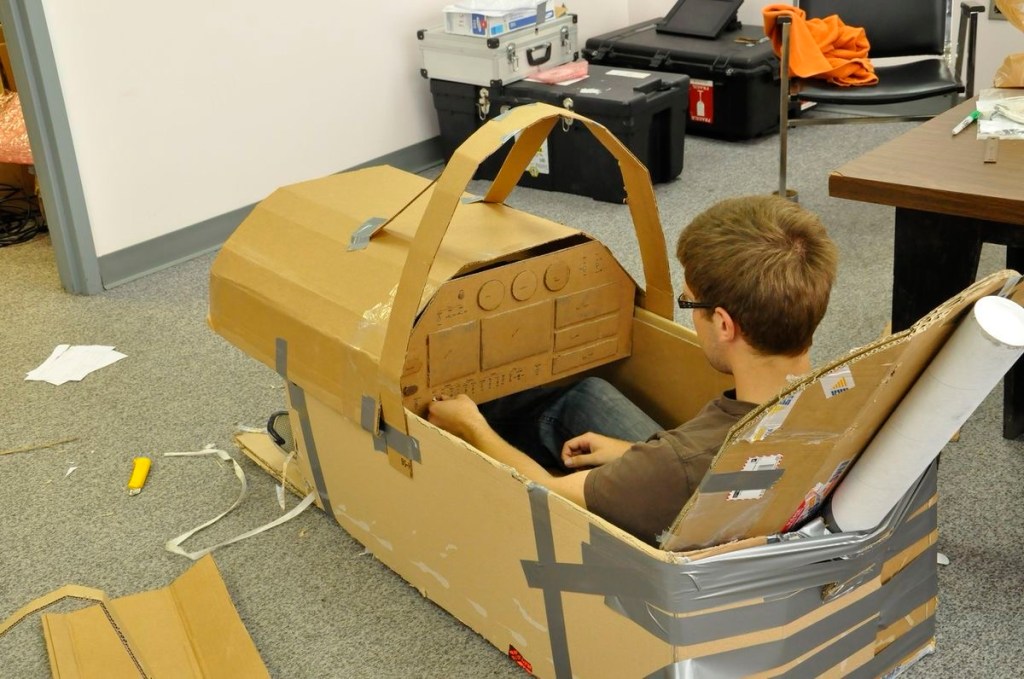
The likes of Philip Morrison, Frank Oppenheimer, Victor Weiskopf, Stan Ulam and Jerrold Zacharias were deeply interested in the activity of ants, bubbles, worms, pendulums, cardboard constructions and butterflies. They joined Herbert Zim and thousands of school teachers on the hunt for children who came absolutely alive in the presence of a natural/physical world that they were invited to encounter and explore.
Jerrold Zacharias knew that reductionist data-points & testing tyranny were the ultimate enemy of thinking people in every democracy. He wrote:
“I feel emotionally toward the corporate testing industry as I would toward any other Merchant of Death. I feel that way because of what they do to the kids. I’m not saying they murder every child. Only 20% of them. Testing has distorted their ambitions. Distorted their careers. It’s not something that should be put in the hands of commercial enterprises.
I have often referred to tests as the Gestapo of Education Systems. Uniformity and Rigidity require Enforcement. So I have chosen a most denigrating title for the enforcement agency. Its hallmark is arbitrariness, secrecy, intolerance and cruelty.”








 kathyirwin1