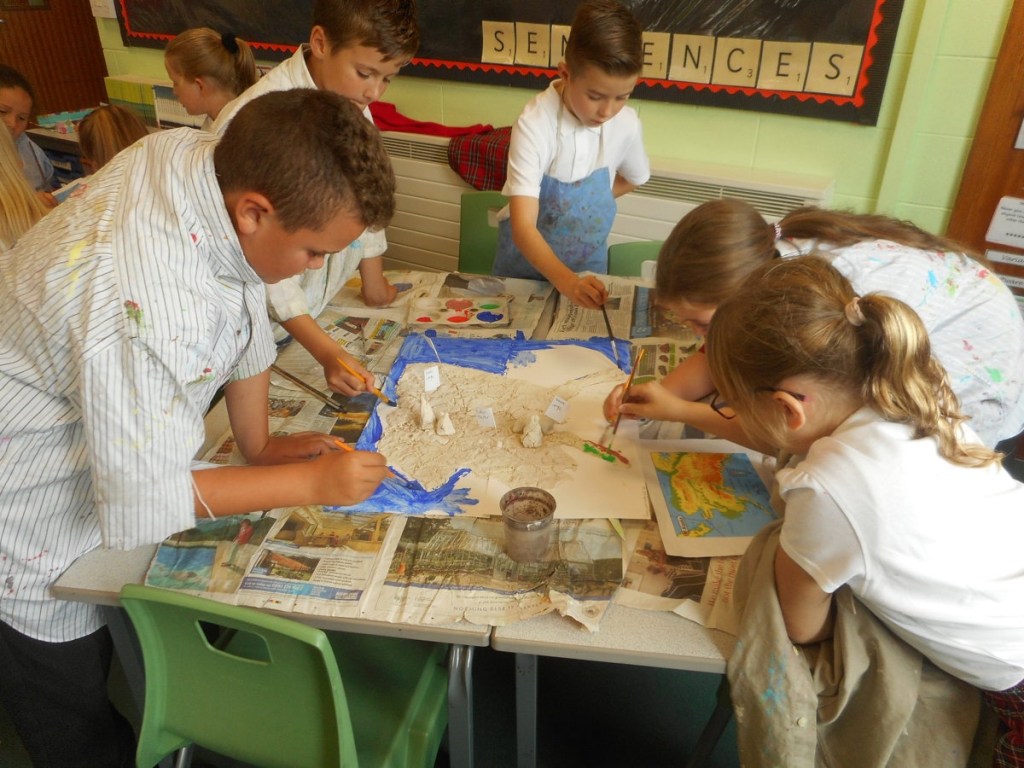
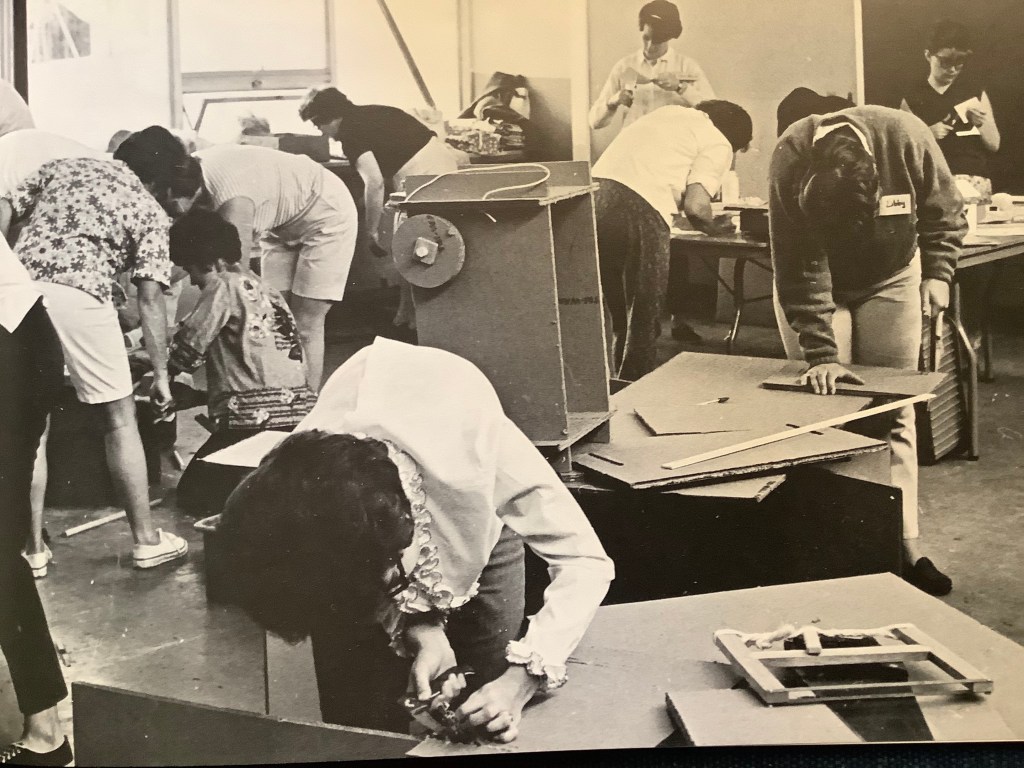
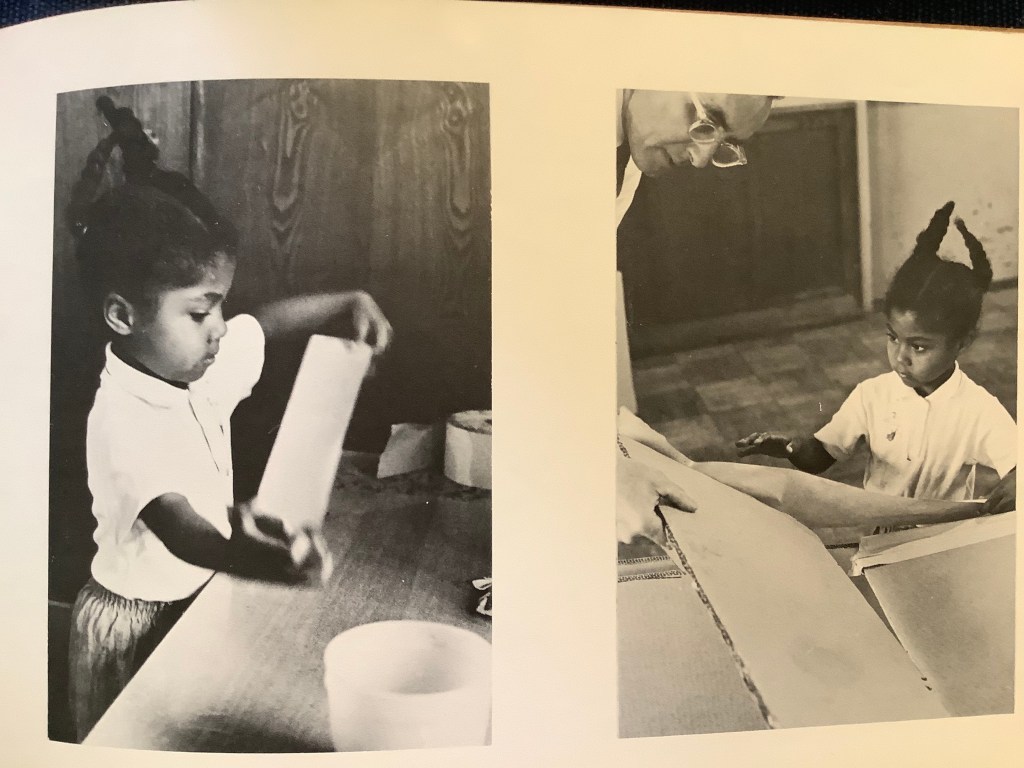
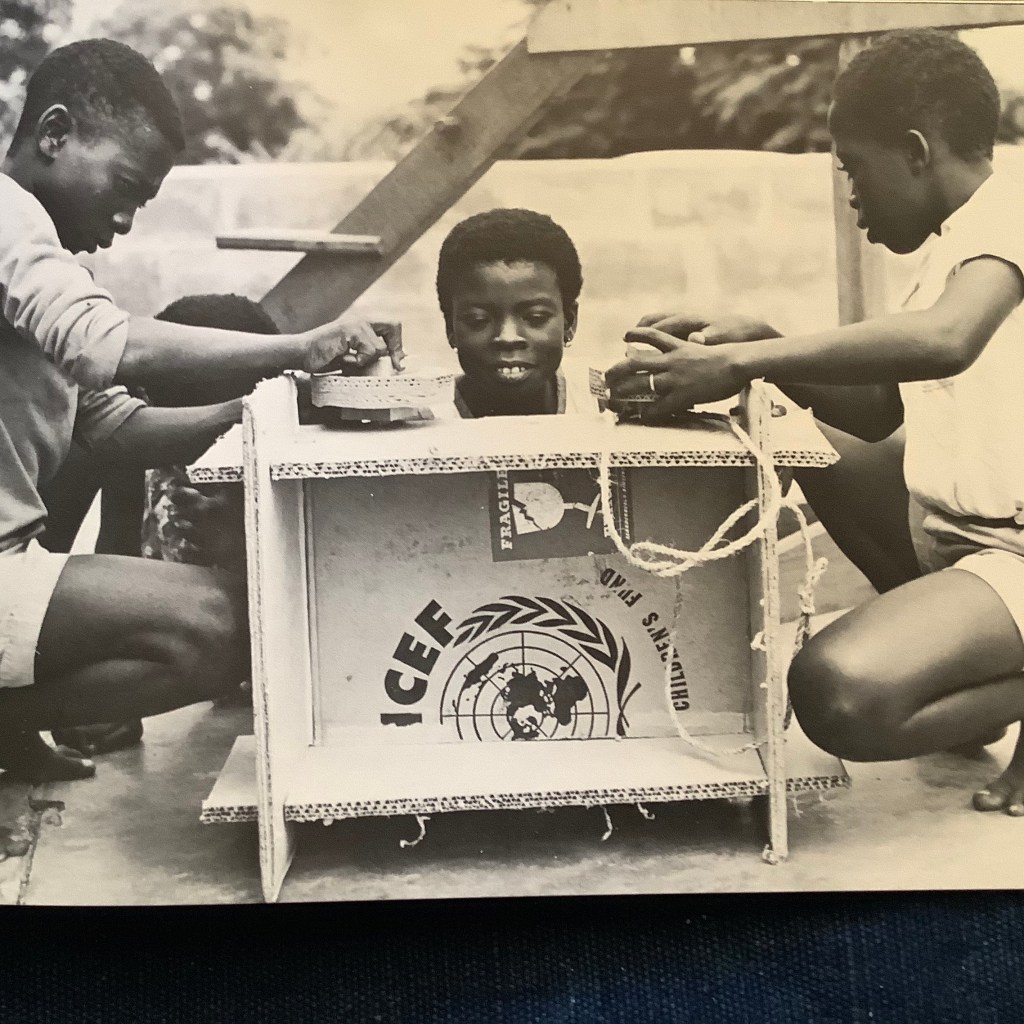
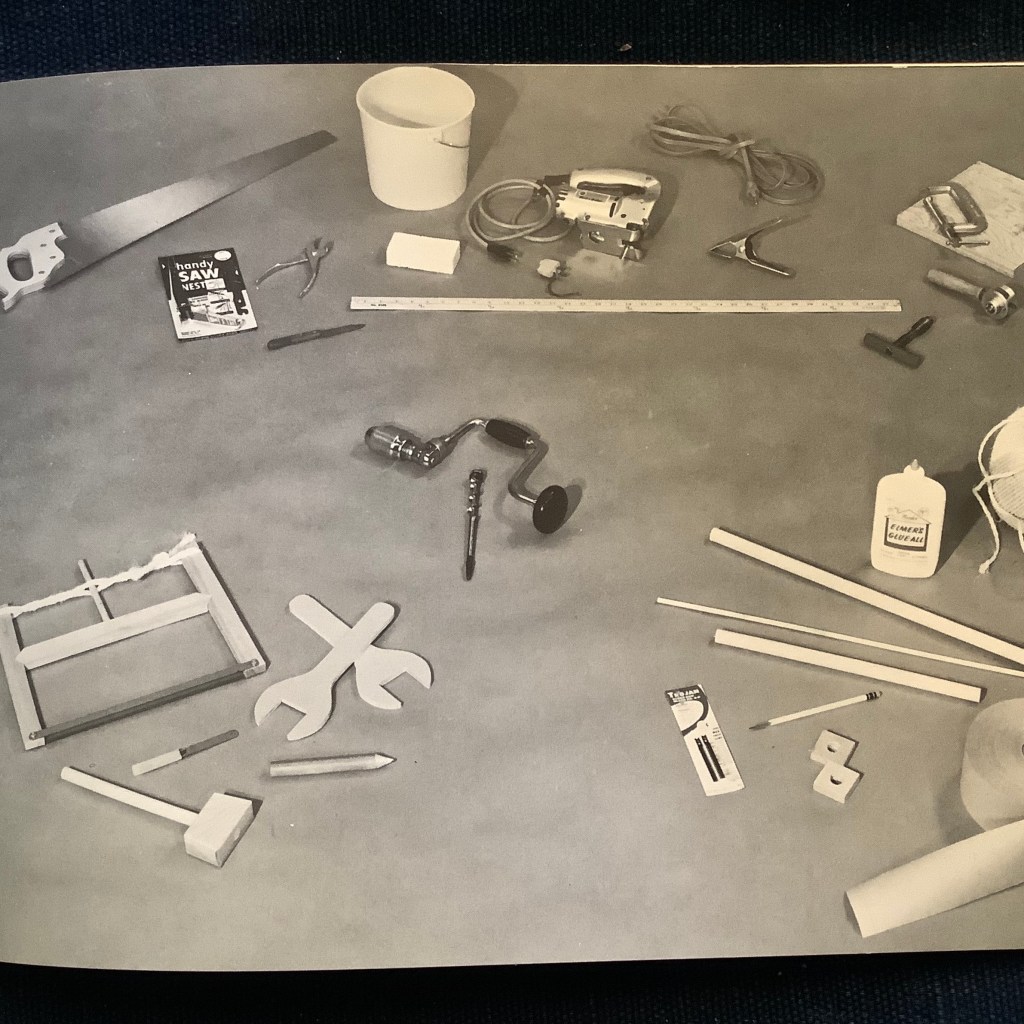
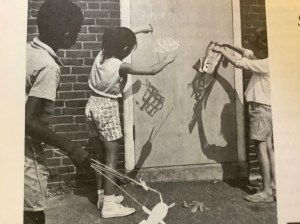
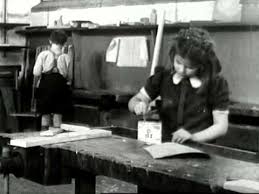
ARTS and CRAFTS. You might think of doing these on your kitchen table or in a school-based art room brimming with supplies and tables and sinks and shelf space. But how about doing arts and crafts out in the bush. How about NOT having jugs of glue and paints at the ready. What do you do then and where would one begin?

The African Primary Science Series initiated an inquiry into arts and crafts from a Science point of view. Meaning, what is out there in the immediate physical world that could be investigated, acted upon and used as an arts and crafts agent?

So, you want to paint but you have no paints. Maybe you are also watching your pennies and are not spending bundles on Amazon. But you still want to paint.

The youth on this project went out onto the land and began collecting flowers and leaves of different colors. If you have ever come home with grass stains on your clothing, you know from experience that plants are the original source for color in the natural world.

You will have to experiment. The APSP kids started by rubbing their collected flowers and plants on pieces of paper to see what happened. They also tried out roots, leaves and various soils. The Red Clay Of Georgia comes from deposits of iron oxide. If you boil it with small amounts of water it will produce a fairly strong color. Try doing the same with an assortment of roots, soils and leaves and this will be a reproduction of what the Kenya children were up to.

Any bright dye can be used for sisal fiber dying and these same dyes can be used for painting. At least this is what the APSP theorized and tested out. Children thickened colors by adding whatever was available. In the back country of Kenya that turned out to be maize paste or sometimes limestone (chokaa).

Nobody KNEW to do this ahead of time. It is what they discovered as they took the time to observe their surroundings, collect from it and invent using the resources under foot.

Scientists At Work


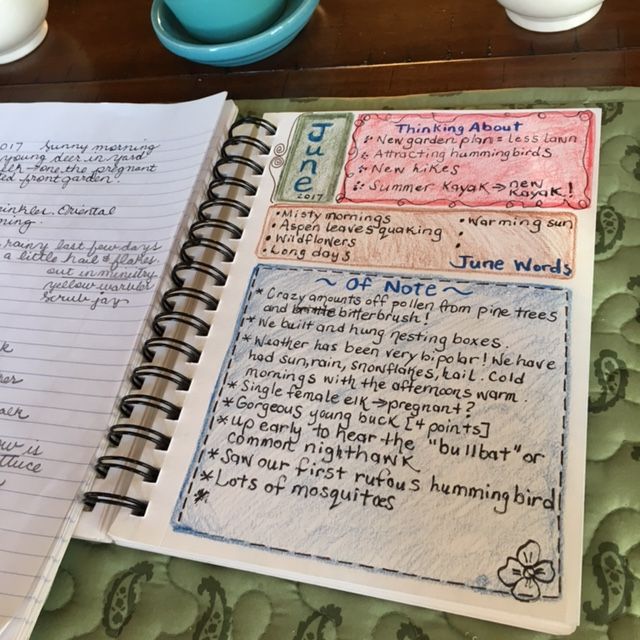
Scientists keep records of what they are up to. These adventurers can and should do the same. That means a lab book or a log book used to record dates when soil, flowers and leaves were gathered. Locations for the gathering. Descriptions of what was collected and either drawings of those or photos. This process can be as elaborate and as digitized or as simplified as one chooses. But it is the rigorous work that scientist engage in everyday. In other words, we are not simply mixing up a paste of mashed corn maize and red iron oxide soil for the “fun of it”. This is a delightful discipline.


2DD102FA-A4FE-47D3-92B3-E532DBBE9262


Paper should come in all shapes, sizes and textures. The ASAP students sometimes resorted to large banana leaves or they tried painting on stones, wood surfaces or blank wall space. A floor tile, a slab of slate or a bedsheet can become a painting surface.

Brushes were not ordered “online”. Get ready because as needed, brushes were made by chewing on sticks or feathering the ends of soft sisal sticks. Some handles were long and others were short and stubby. Obviously, sponges could also be used or torn pieces of fabric.

When they tired of creating paints, the children on this project also drew using crayons, hunks of charcoal, chalk or color-emitting minerals. It is possible to paint or crayon or chalk a leaf surface and then press that onto a piece of paper. Or someone might try using the finger in place of a brush, dipping it into paint, colorful, moistened chalk dust or melted, waxy crayon.

This was the African Primary Science Series and it is tailored made for our era of Coronavirus when adults are returning to traditions that deeply engage the minds and imaginations of children who are insisting on living and learning without the benefit of big budgets or big buildings.

The Eight Year Study

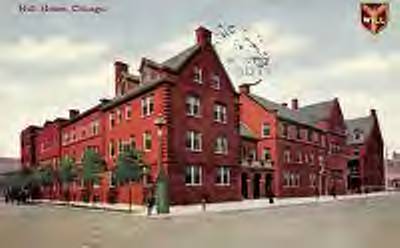
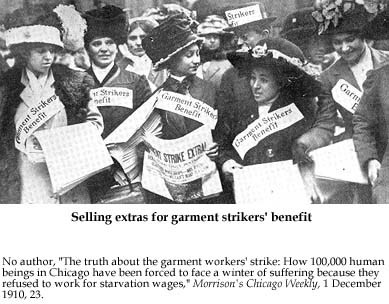
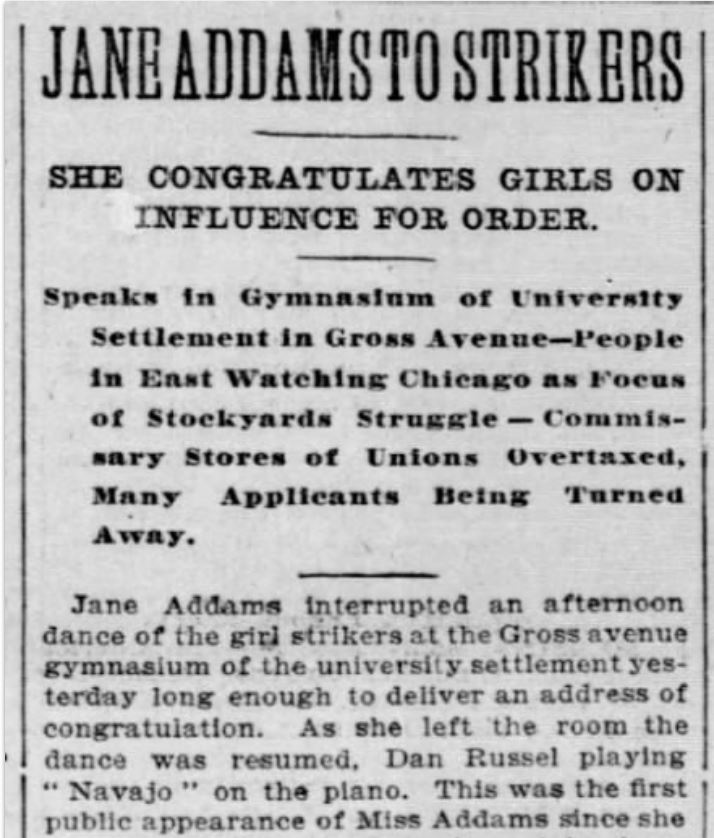
The Eight Year Study came out of a National Capitalism Crisis and a democratic tradition of struggle for both change and the freedom to change. It closely resembled exactly where we stand today and that struggle has a very long history.  If we stood on the steps of the original Jane Addams Hull House on Halsted Street in Chicago, we could see the ghostly outline of the Hart, Schaffner Marx building.  Knowing the history of labor activism in this country, we would be reminded of the battles that went on in the early years of the garment industry, in Chicago, New York and elsewhere.
Garment_Strikers_Benefit.jpg
These were battles to achieve adequate wages and decent working conditions. Since we didn’t exactly welcome the humanity of immigrant labor, we at least allowed them in and then colonized their work ethic, knowing it made Team USA that much stronger economically.
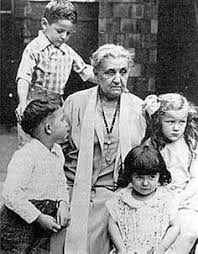
As a pioneer in the American settlement house movement, Jane Addams found herself living and working in neighborhoods that were isolated, ethnic enclaves. Lithuanians claimed one section of Halsted, Greeks another, Italians yet another.  These were people insisting upon remaining distinct and separate in terms of a positive cultural identity, yet needing at the same time to work together on the common problems of housing, work, health and education.  Hull House provided that place for collaborating.
One testimony of Hull House’s ability to value the differences while using them to build a common ground, are the maps drawn by community people that today are displayed in the front hallway of Hull House Museum. Immigrants went out and canvassed the neighborhoods to discover who lived there.  Their findings  were then translated into beautiful, color-coded maps.  Go stand in front of these maps because they are absolutely riveting!
images-1
Today we can only imagine how such a project was organized.  From all the ethnic enclaves came people speaking no common language, yet finding the words, the time and the energy to compile a record of who they were and where they lived.
It was a collective effort issuing from a common place.  There was desperate need in those turn-of-century times for such places and so, when Graham Taylor, his wife and children, and a cluster of graduate students from the University of Chicago decided to establish a settlement house, they called it Chicago Commons.
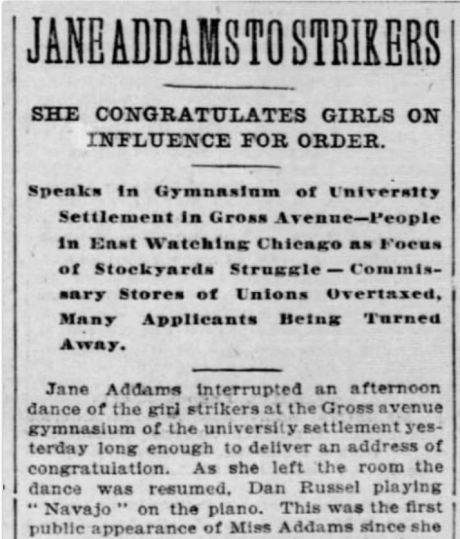
What happened at Hull House and at the Chicago Commons was also what happened at settlement houses in Boston, Baltimore, Des Moines, Jersey City and Fort Worth.  The conversation centered around human problems and the social value of a democracy that MUST shape solutions to those problems.  A kaleidoscopic range of individuals came together to exchange ideas, voice needs and coordinate action.  To make the exchange as extensive and inclusive as possible was a challenge.  Hull House met that challenge by numbering among its friends such people as John Dewey, Florence Kelley, W.E. B. DuBois, as well as Russian tailors, Italian factory workers and Bohemian seamstresses.  Wish we all could have been there!
If we stretch to identify a similar institution dedicated to many of the same ideals and values, only one comes to mind – Public Schools.  It therefore comes as no surprise that during the last decades of the 19th Century and early decades of the 20th, as settlement houses cropped up in urban settings across the USA, we see as well the stirrings that were to lead to the formation of the Progressive Education Association and finally, to the Eight Year Study organized under its auspices.
As the settlement house workers had an expansive notion of what education could do and be, so did the pioneers of progressive education.  Both were concerned with blunting the raw edges of industrial civilization and with reinvigorating human community.  Both were discovering the forms of human association that could nurture individuality.  They were concerned with demonstrating the necessity and efficacy of freedom as a wellspring of personal and social growth.
Just as the settlement house workers had to deal with the destructive human consequences of harsh and mindless factory labor, so the progressive educators were moved to eliminate the factory as a model for organizing the work of classrooms.
The growth of the progressive education movement really began in the years following the end of  WWI.
In 1919 a group of educators founded the Progressive Education Association.  In the same year, Carleton Washburne became superintendent of schools in Winnetka, Illinois.  This was a post he held for 25 years.  Under his leadership came The Winnetka Plan, which enabled children to learn at their own pace.
It eliminated failure based on age-linked standards and placed strong emphasis on group activities that strengthened the school and its community.
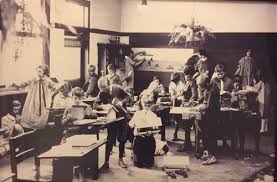
In this same period, Harold Rugg, Director of Research at the Lincoln School in New York City and professor at Columbia University’s Teachers College, developed his Social Science Course – six volumes complete with workbooks and teacher editions.  The Winnetka schools were among the first to pilot the Rugg series.  In his texts, Rugg asked students to think together about issues like the invasion of Native American lands by Europeans, the engineered dependence of Puerto Rico, and the contradiction of slavery as an institution in a “free” society.  Not surprisingly, the series became notably controversial and was even burned in some American towns.
The explosion of experimental activities in American schools during these early years of the 20th Century is impossible to summarize in a few sentences.  Perhaps the best way to capture some of the animating ideas of the progressive impulse is to cite the basic principles adopted by the Progressive Education Association at the moment of its birth in 1919.
1.  Children should have the freedom to develop naturally.
2.  A child’s interests should be the basic motive for all her school work.
3.  Teacher should function as guide and not a task master.
4.  Record-keeping empowers sympathetic and scientific study of a child’s development.
5.  Schools pay equal & active attention to ALL facets of children’s development.
6.  The school and the home MUST be active partners in meeting children’s needs.
The Eight Year Study began as a conversation at the 1930 P.E.A.Conference.  Two years of further conversation followed.  Initially there were no foundation dollars involved and people participated at their own expense.  Beginning in 1932, support from Carnegie and the General Education Board helped underwrite the expenses of what was called the Commission on the Relation of School and College.  It was this commission, created by the Progressive Education Association, that designed and directed the Eight Year Study.  Its first action was to conduct an assessment of American secondary schools.
The Commission found that students were graduating with no sense of what it meant to be a citizen within a democracy.  They found no connection between daily community life and the fundamental human values intended to guide that life.  Student concerns and school curricula were miles apart. Does this sound familiar?
 Where to begin?  What to change?  How best to change it?
As a starting point, the Commission focused on the freedom to change.  That may have been one of the wisest decisions it ever made.  It was clear to all members that high schools were most powerfully and extensively regulated by college admission criteria.  So the Commission sought and won the agreement by some 300 colleges and universities to waive their existing criteria for graduates of the experimenting group.
It was also clear that experimentation could not and should not be the exclusive right of a few private and privileged schools.  There had to be diversity of character, economic class and geography.  And so the roster of participating schools included Altoona Senior High in Altoona, PA; Roosevelt High School in Des Moines, IA; Tulsa Senior and Junior High Schools in Tulsa, OK; Eagle Rock High School in Los Angeles, CA; and Shaker Heights High School located outside of Cleveland, Ohio.  On the private side were such schools as Francis Parker in Chicago, North Shore Country Day in the northern Chicago suburbs; several Quaker schools; Lab Schools like those at the University of Chicago, Ohio State and Wisconsin; and other private institutions like Milton Academy, Baldwin School and the Winsor School.
(1939) https://youtu.be/b7lHva6HAlc
Unknown.jpeg
In the fall of 1933, all schools began building new curricula.  The process was intriguing and it varied dramatically from school to school.  Institutions affiliated with the P.E.A. had been dealing explicitly with the following questions for years.  What are democratic values?  How do we recognize them in practice?  How do we test such values publicly?  How do we teach the ability to think deeply and critically about the social issues and problems of the day?  How do we construct a descriptive yet dynamic portrait of a student’s personality and character?  How do we use that portrait to understand a student’s needs, actions and feelings? Imagine considering all of this instead of simply casting about for worksheets that make life easier on Google Classroom, Google Hangouts and Zoom.
As bold and fascinating as it all was, it also was a very human venture just as it would be today.  Complexity and the frustration of false starts were all part of what was to be explored.  The English Department at Altoona High replaced required reading lists and book reports with literary parties, discussions, impersonations and book clubs.  It also designated one day a week as a free reading day. No one ended up reading as few as the 14 books formerly required. Student were reading because they wanted to read.  A junior high school math teacher in Altoona organized an insurance company run by students.  It insured students against loss and damage to school books.  The need to invest premiums led to a study of banking and investment because the students had money to invest, not because it was demanded by a grade level course of study.
Radnor High School in Pennsylvania addressed program needs for non-college bound students. They developed a senior curriculum known as the Cooperative Course. These were tryout training opportunities for students in one or more vocational fields. Each tryout lasted two weeks.  Local business people agreed to provide some form of introductory experience or training in a given field.  These field experiences amounted to something between a part-time job and an apprenticeship, where instruction, supervision, evaluation and reports to schools became routine practice.
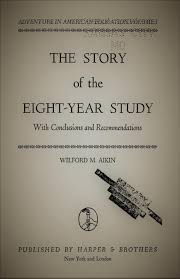
In 1936 a group of nine men began working across the country as Eight Year Study consultants.  They served only at the pleasure and invitation of individual schools.  The consultant did not stick around for long and it was not his role to dictate or impose. Instead, he assisted by NOT having an ax to grind or a stake in the local broils.
images.jpeg


Like a Pony Express rider, each carried news of work in other schools. They visited classrooms, gave demonstration lessons, and served as a mobile clearinghouse for research, ideas and materials.  Often they helped school people move their own mountains just by taking the time to leave a well-placed word of encouragement and understanding.  In short, they were summoned to assist teachers in discovering their own ability to act and change. It all was very similar to the Advisory System we saw in the British Infant School Classroom movement of the 1960’s.


There is renewal of interest in the Eight Year Study today because we still have educators who believe that American Schools must once again become innovative and lively places.  The essential value then and now is democracy.  This feature, more than any other, sets the Study apart from contemporary school reform movements propelled largely by technology-driven appeals for increased test scores, accountability and productivity, aimed at debilitating poor and working class communities.
We get our possibilities from one another. Simple and inescapable.
This means we must have well-funded, public and not privatized or stratified charter schools bent on profiting from us, separating us and making us STRANGERS to one another. Public schools nurture a democratic citizenry wherever kids from diverse backgrounds arrive and are permitted to learn with and from each other.
Coronavirus has now introduced public schools to the nightmare of impoverished and infected households where faculty, children and youth are suspended in a national nightmare of inaction. A mockery of education is being transmitted to millions of laptops, tablets and cellphones. Students cannot meet one another in person due to regional infection levels and they cannot meet one another intellectually, creatively or academically because state-controlled bureaucracies refuse to take principled action in their behalf.
Good teachers are once again stepping up and speaking out in protest over the dis-information, disorder and dis-ease now being inflicted on public schools 2020-2021. It is guided from above, by a technocratic mindset adept at junk bond trading, corporate takeovers, bank bailouts and economic dominance.  But for those of us committed to the democratic tradition, the Eight Year Study is both our ancestor and ally.  It reminds us that the idea and broad practice of democracy comes with a price.
Unknown
If we want it to remain or become the centerpiece for citizens, teachers and students, then we’re going to have to fight for it.  Eternal Vigilance is an action and not a slogan. Those who have most recently been taking their feet to the streets are absolutely leading the way.
images.jpeg

Parkway Program Philadelphia

This once upon a time Parkway Program is an old idea but it is also a young idea because it is lively, mobile, flexible and fresh.

A schoolhouse does not equal a brick & mortar classroom. This is a confining equation. It is limiting and it certainly is expensive. During The Pandemic, it often proved DEADLY.

Instead, begin to imagine a group of students with learning dimensions that extend outside the restriction of a specific lab, studio, building or campus.

Draw three concentric circles.
EDUCATION is at the center.
STUDENT-PARENT-TEACHER-ADVISOR is the next ring.
Outside curve reads COMMUNITY.

All have equal access to each other.

Once upon a time Philadelphia City Schools were “healthy” but absolutely over-crowded.
They had exhausted budgeted, physical space but their civic minds were energetic.
Thinking and problem-solving carried on even in the face of scarce resources.

Philadelphia created something that became known as The Parkway Program.

Parkway Had:
School buildings and classrooms outside the traditional arrangement.
High School courses offered all around the city.
Students consulted in the hiring and evaluating of staff.
Students participated in curriculum planning.
Students and Staff directed the program using “Management Groups”.
Business and Industry contributed instructors, sites and in-kind resources.
Tuition-paying students attracted by the innovative spirit.Parkway created classes that did not bear the designation of 10th grade, junior or advanced placement.The formal IQ of participants ranged from 74 all the way to 150.Alfred North Whitehead once wrote, “There is only one subject matter for education and that is LIFE.”
The Parkway Program engaged itself in the study of life. To create curriculum it asked, “What is useful to us in life? What do we need to know and investigate to make the best urban life for others and ourselves?” Tutorial Groups were established from the onset. These student-staff units worked on basic academic skills, computerized learning, remedial studies as needed, social skills – all of this leading to a diploma.

Not everyone fit the Parkway Profile. It was not a universal solution for all.

City-based studies were often 4-day units entitled along these lines:
“The Urban Environment”
Class Schedule looked like this:
8:00 – 9:00 Physical Fitness Class
9:00 – 11:00 Out in city at business/corporate sites, cultural centers or in
city-based classrooms.
11:00 – 1:00 Management Groups met. Lunch. Check-ins with Advisors.
1:00 – 3:00 Academic Tutorials – Personal dialogue and exchange of ideas between students and faculty.
These may have involved an independent study project or a review of research underway.
Learning how to take criticism and stand up for ideas was emphasized.
3:00 – 5:00 “Pedagogical Mile” Two hour unit of city resource-based research
and learning.Wednesdays from 11 AM to 5 PM were specially arranged activities and/or individual study.The city’s public transit system was virus-free and was used by older students to travel the city for study
AND the city’s transit system became a civic and economic curriculum unit. Who funds it? Who uses it? How is it administered? How does it operate as a business? What are its finances? Where are its routes? What are its special services?
Law Enforcement is an example of an Elective that was offered.
Math class was taught at the famous Franklin Institute. Literature class was conducted at the city library.

Art Appreciation was taught at the Art Institute.
Physical Education was held at the YMCA.
Zoology was conducted at the Zoo.Students always attended the Friday Faculty Meetings.
Typical days were 9:00 – 5:00 and included Saturday classes.
Students considered Parkway and referred to Parkway as a “School for Kids”The Parkway faculty profile was that of a teacher who was experienced in experimental and/or innovative approaches to excellence and education.There were volunteer interns from co-op program at Antioch, Reed, Oberlin and Goddard College.Weekly Town Meetings were held for the entire learning community and that included parents. On YouTube you can find a video clip of four “survivors” remembering their fun and formative Parkway experience.

Millbrook Discovery Mathematics For Top Infants And Lower Juniors: CAPACITY, Printed by ESA in England 1967. Such a strange and wonderful “workbook” because the very first page does nothing but send children around their house for objects.
The opening salvo is the assumption and announcement that homes, no matter how impoverished, contain precious equipment necessary to mathing about.
A debut illustration is of children spilling down a sidewalk, waving at one another and chatting, as they clutch in their arms and hands oversized cooking spoons, tea tins, washbasins, plastic pails, watering cans with elongated spouts, dented kettles and empty marmite jars.
Such treasures!
Isn’t it wonderful to own and loan something that school study truly needs but cannot supply without YOUR help.
Work areas look like a cross between a flea market and The Container Store, with watering troughs shoved up against rickety, wooden tables crowded with any object capable of holding liquid.
Apparently no one cycles off to the Teacher Store for pre-made wall decorations because the little ones are hunched over huge sheets of chart paper drawing careful and imaginative renderings of receptacles that hold MORE than 1 pint and LESS than 1 pint.Such investment of time and attention to detail must be its own kind of neurological impress, as it goes on for weeks before a produce scale or a spring balance ever makes an appearance.

The non-standardized gives birth to the standardized and it is clear that THIS is how a successful journey begins to the mastery and mystery of so-called Standards.

3F06B244-080B-419C-A780-8677C2D8D658

This is not school. This is not learning. This is not education. American parents have had enough. The deliberate derailing of a Professional Pandemic Plan has created an awakened citizenry. People are fed up and they are not going to sit at home, jobless and exhausted, and watch their children bored silly by brain lean Teach To The Test software masquerading as intelligence.

sun-flower_3314.jpg

Mrs. Murphy’s Sunflowers is a unit of study found in Ellsworth Collings’ 1924 edition of An Experiment With A Project Curriculum. Might this be the book used for inspiration by the Corporation For Common Core Curriculum Craziness as they constructed their test riddled unit on Early Civilizations? No, probably not.

Back in 1924 Ellsworth Collings was not driving data points into the hearts and minds of little children and he was not abusing his status as “expert” by dictating courses of study and exam content for human beings he had never met and knew nothing about.

Sure, standard subject matter was actively in the mix, but it was never weaponized to precisely and intentionally destroy student development. Collings threw the education machine into reverse and then paid close attention to what happened when human beings were guided to select activities and PURPOSE their own learning based on interesting, immediate, everyday life.

One day Carl called a group meeting of his fellow 6-8 year olds and asked why did they think Mrs. Murphy was forever growing big sunflowers at the BACK of her vegetable garden. It didn’t make any sense to him. The other kids agreed. Weren’t flowers intended for flower gardens or front lawns? Iona said she had no idea what a sunflower looked like so if they wanted her help, she would need a first-hand visit to Mrs. Murphy’s. So off they trooped armed with two questions. Why was Mrs. Murphy growing these sunflowers at the rear end of her vegetable garden? How were sunflowers different from her other flowers?

Next day, Mrs. Murphy walked everyone out back and introduced them to the color, shape and distinct seed of the sunflower. She had them inspect the stem, the leaves and explained that she planted strategically so her cucumber vines would be protected from the hot, late afternoon sun. To the children’s delight, she actually cut off the head of a big sunflower and pitched it over the fence to her chickens so the class could watch the flock devour the seeds off the flower head. “Homegrown poultry feed,” she announced matter-of-factly.

Later, back at school, of course there were paintings and drawings of beautiful sunflowers and many, detailed, written accounts. These were enhanced by reading and researching flower guide and nature study books but also by uncovering stories and poems about sunflowers in traditional texts like the Elson Readers: Book Three and several others. Lantern slides and stereograph pictures of wild flowers were also put to good use.

And what did Carl make of this adventure? Well, here is what he reported in cursive handwriting, accompanied by a detailed, scientific illustration of the sunflower.

The Sunflower

Mrs. Murphy uses her sunflowers to shade her cucumber vines. The sunflower has a big yellow flower. Mrs. Murphy’s chickens like sunflower seed. She gave us some seed to plant. Sunflowers make pretty yard flowers. I am going to grow some in my cantaloupe patch next summer to shade my cantaloupes. They grow best in a rich soil, sunshine and moisture. They are easy to grow.

389762EE-2909-4128-953F-8434603898D0

Long before SCLC, SNCC or Freedom Summer, there was Esau Jenkins on Johns Island, SC.

He spoke at Mother Emmanuel A.M.E. in 1962.

We The People were introduced to Esau at the old Highlander Folk School, where he was a living legend.

In the earliest days, he operated a Citizenship School from inside a beat-up, yellow school bus which doubled as a rural peddler’s store on wheels.

That bus was a transport for remote island people and became a mobile classroom for political education back in the day when “Literacy Tests” were used to keep Black citizens from registering to vote.

Septima Clark joined him and so did Bernice Robinson, running Voter Registration classes inside Bernice’s home beauty salon.

Our Democracy is just as much in peril today as it was back in the 1950’s when Esau began “The Work”. Right now there are literally thousands of people who are volunteering weeks and months to a movement that goes much deeper than just getting someone elected to a political office. Every event flowing from the murder of George Floyd is evidence of this.

Esau, Septima and Bernice got everyone to tap into a bottomless well of courage, intelligence, practicality and commonality. 

Everyone “taught” each other. They practiced the art of talking out community problems and testing out solutions.  A rickety school bus became a co-op, became a health clinic, became a gas & grocery station, became a credit union.  The evolution never stopped. And it is not stopping now in 2020.

North, South, East and West, there are Hot Spots all over the USA with a load of this tradition still percolating in their regional and cultural DNA.  Time to tap into it. Watch it explode like a God Bless America Geyser all across the nation. Electrifying and Edifying.